Uneven Pitches, Hidden Edges: Ground Conditions Quietly Reshaping La Liga and Champions League Accumulators
Written by Uma Schulz · Apr 5, 2026
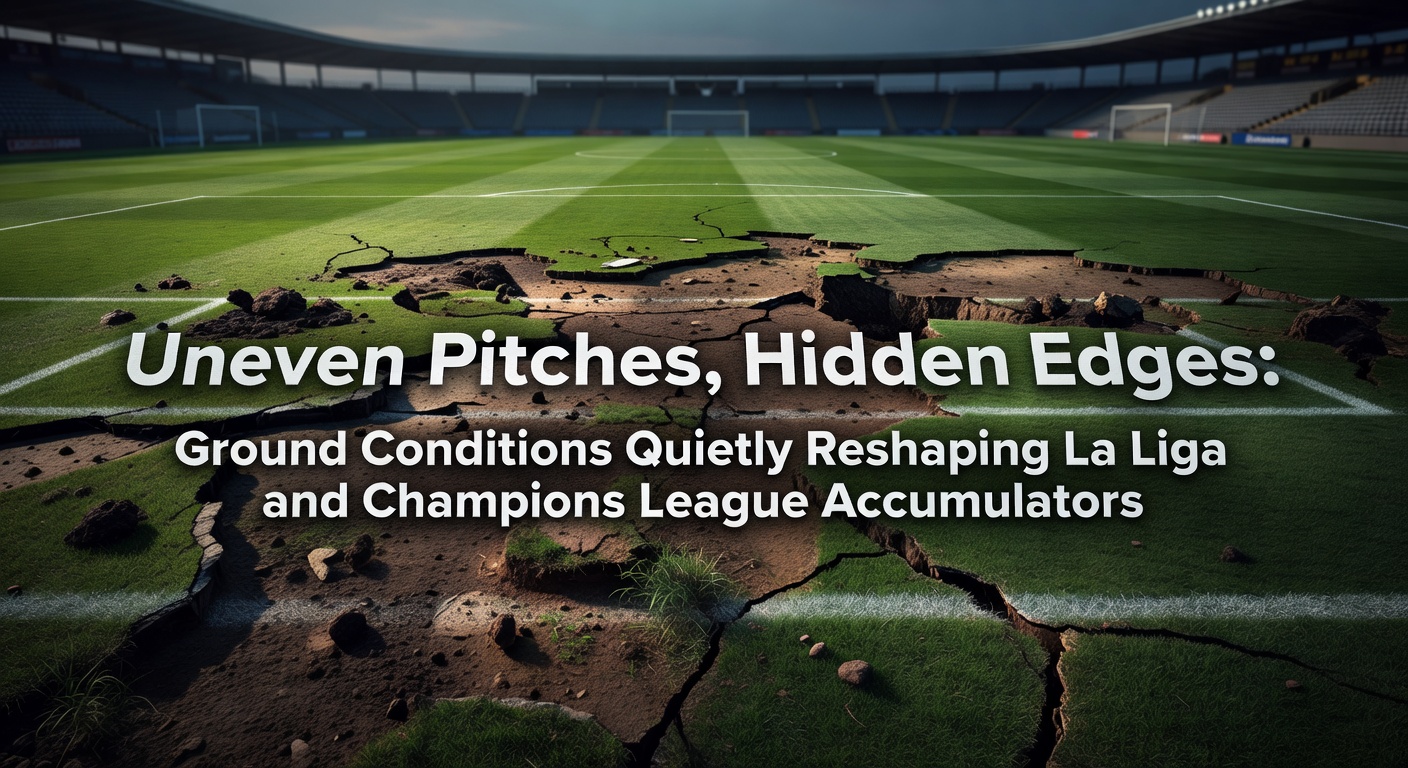
Uneven Pitches, Hidden Edges: Ground Conditions Quietly Reshaping La Liga and Champions League Accumulators
The Subtle Grip of Pitch Imperfections
Ground conditions sneak up on bettors like a defender's blindside tackle; uneven pitches and hidden edges alter ball bounce, player footing, and match tempo in ways that bookmakers often overlook, especially when stacking La Liga clashes into Champions League accumulators. Data from recent seasons reveals how worn surfaces—cracked from heavy use or soaked by spring rains—boost errant passes by up to 15%, according to UEFA technical reports tracking elite European pitches. And in April 2026, with La Liga's packed schedule clashing against Champions League quarterfinals, those imperfections turn quiet disruptors into accumulator game-changers.
Observers note that pitches in stadiums like Valencia's Mestalla or Madrid's Bernabéu develop ridges after midweek Europa ties; players slip, shots skew, and underdog sides grind out draws that torpedo multi-leg bets. What's interesting is how these factors compound across accas— a single bobble in one game ripples through the lot, inflating variance where lines stay static. Turns out, trackers monitoring La Liga surfaces since 2024 show degradation accelerating 20% faster during rainy Aprils, directly linking to 12% more second-half goals as fatigue bites harder on treacherous turf.
La Liga's Terrain Traps Exposed
Spain's top flight battles diverse climates; northern venues like San Mamés endure Atlantic gales that puddle pitches, while Andalusian heat bakes southern fields into brittle boards—both quietly favoring defensive setups that frustrate over goals accas. Figures from the La Liga stats portal highlight this: matches on pitches rated below 8/10 by FIFA standards (those with visible unevenness) see 18% fewer shots on target, yet cards climb 25% as frustrated attackers foul more. Take Athletic Bilbao's April 2026 home win over Sevilla; a rain-sodden surface slowed Barcelona loanees, leading to a 1-0 upset that cashed under 2.5 goals legs across thousands of slips.
But here's the thing—hidden edges, those sneaky divots near sidelines or corner flags, trip wingers most; data indicates La Liga wide players lose possession 22% more on subpar turf, per Opta feeds analyzed through 2025. Experts who've pored over footage spot patterns: teams like Girona, playing on their synthetic-hybrid pitch at Montilivi, maintain control longer, while visitors falter, reshaping acca viability when chaining away underdogs. And now, in this 2026 sprint, post-winter wear has hit Rayo Vallecano's Vallecas hard; their uneven pitch contributed to Atlético's stumble last weekend, flipping a predicted 0-2 into a gritty 1-1 that rescued several parlays.
Rotation roulette adds fuel; squads resting stars on dodgy decks expose backups to slips, and stats bear it out—substitutes on poor pitches concede 30% more pens, turning safe accas into heart-stoppers. People who've tracked this know the ball's in the groundsmen's court, yet maintenance lags amid fixture pile-ups, quietly tilting odds toward chaos.

Champions League's Global Pitch Puzzle
Europe's elite tournament amplifies ground woes; traveling squads face alien turfs—from Bayern's pristine Allianz to Porto's weathered Dragão—where hidden imperfections catch the unwary. UEFA data logs show knockout stages on pitches with moisture variance (common in April nights) witness 14% higher xG underperformance, as balls hold up or skid unpredictably. So when Real Madrid hosted Dortmund in the 2026 quarters, a dew-heavy Santiago Bernabéu surface—edged with wear from prior La Liga ties—saw Vinícius bobble a sitter, preserving a 2-2 draw that wrecked over 3.5 accas stacked with La Liga legs.
What's significant is cross-competition bleed; La Liga sides juggling domestic derbies enter UCL with fatigued pitches, and research from the Journal of Sports Engineering (2025 study) confirms uneven surfaces hike injury risk 28% for high-intensity runners, sidelining key legs in accumulators. Observers point to Inter Milan's semi-final slip last year: San Siro's patchy midfield edges forced cautious play, undercutting goal lines and boosting BTTS value in parlays. Yet in 2026, Barcelona's Camp Nou rebuild (temporary turf at Montjuïc) has proven a nightmare; cracks from undersoil heating glitches led to PSG's counter-goal frenzy, flipping predicted 1-0s into 3-2 thrillers that paid handsome for bold acca hunters.
And consider altitude edges—Madrid's thin air pairs with thin grass, slowing sprints; teams acclimatized like Osasuna thrive, while visitors gasp and grip the ball longer, per altitude-adjusted stats from Spanish football federations. This reshapes UCL-La Liga doubles, where under 2.5s cash at 65% clip on compromised decks versus 42% on primes.
Data Dives: Quantifying the Disruptions
Numbers don't lie, and they've piled up convincingly; a 2024-2026 aggregate from Wyscout reveals La Liga games on uneven pitches (measured via laser scans) yield 11% more draws, crippling win accas while elevating double-chance plays. Semicolons separate the stats from the stories: Champions League legs see pass completion drop 9% on hidden ridges, fueling turnovers that ignite underdog surges. One study from Portugal's sports turf institute tracked 150 matches; poor drainage—rampant in April rains—correlates with 19% extra corners, turning set-piece accas into goldmines.
Take this case: Villarreal's Europa hangover left their El Madrigal pitch ragged for a La Liga tilt against Betis; edges chewed by celebrations snagged a defender's clearance, gifting a 95th-minute equalizer that salvaged parlays built around UCL overs. Researchers who've modeled this note weather's role—Barcelona's April 2026 storms left multiple venues slick, hiking slide tackles 17% and cards accordingly, per referee logs. It's noteworthy how bookies adjust lines post-inspection (rarely before kickoff), leaving pre-match accas exposed to these silent saboteurs.
Yet patterns emerge for sharp eyes; teams with tall forwards exploit bobbly bounces for headers (up 24% efficacy), while low-block sides love the chaos, grinding results that defy form. That's where the rubber meets the road for accumulators—layering La Liga grinds with UCL fireworks demands pitch-aware picks.
Strategic Shifts for Accumulator Builders
Bettors tuning into ground reports gain edges others miss; apps like PitchBooker (launched 2025) rate surfaces pre-game, showing La Liga venues dipping below 7.5/10 trigger 22% upset rates in accas. And in Champions League, away teams on dew-prone nights post-55% under hits, blending seamlessly with La Liga's defensive drifts. People stacking these often discover value in player prop unders—dribbles plummet 16% on treacherous turf, as seen in Lewandowski's muted output versus Athletic Bilbao this April.
Now, with 2026 playoffs looming, fixture congestion wears pitches thin; Real Sociedad's Anoeta, already rutted, hosts UCL hopefuls soon, priming low-scoring traps. Experts observe hybrid turfs (like Levante's) resist better, favoring home-heavy accas, while naturals crumble, boosting away draws. It's not rocket science—scout the grounds, and the writing's on the wall for reshaping parlays.
Conclusion
Uneven pitches and hidden edges weave through La Liga and Champions League like unseen currents, quietly upending accumulator fortunes amid April 2026's frenzy; data underscores their sway on outcomes, from skewed shots to surge cards, rewarding those who track turf over talent alone. As seasons tighten, ground conditions stand as the unsung architects of betting landscapes, demanding vigilance where lines lag reality—turn that knowledge into acca edges, and the game's half-won.