Timing the Bench: How Substitution Windows Shape Live Markets in Leagues and Cups
Written by Zara Schröder · Jul 9, 2026
Timing the Bench: How Substitution Windows Shape Live Markets in Leagues and Cups
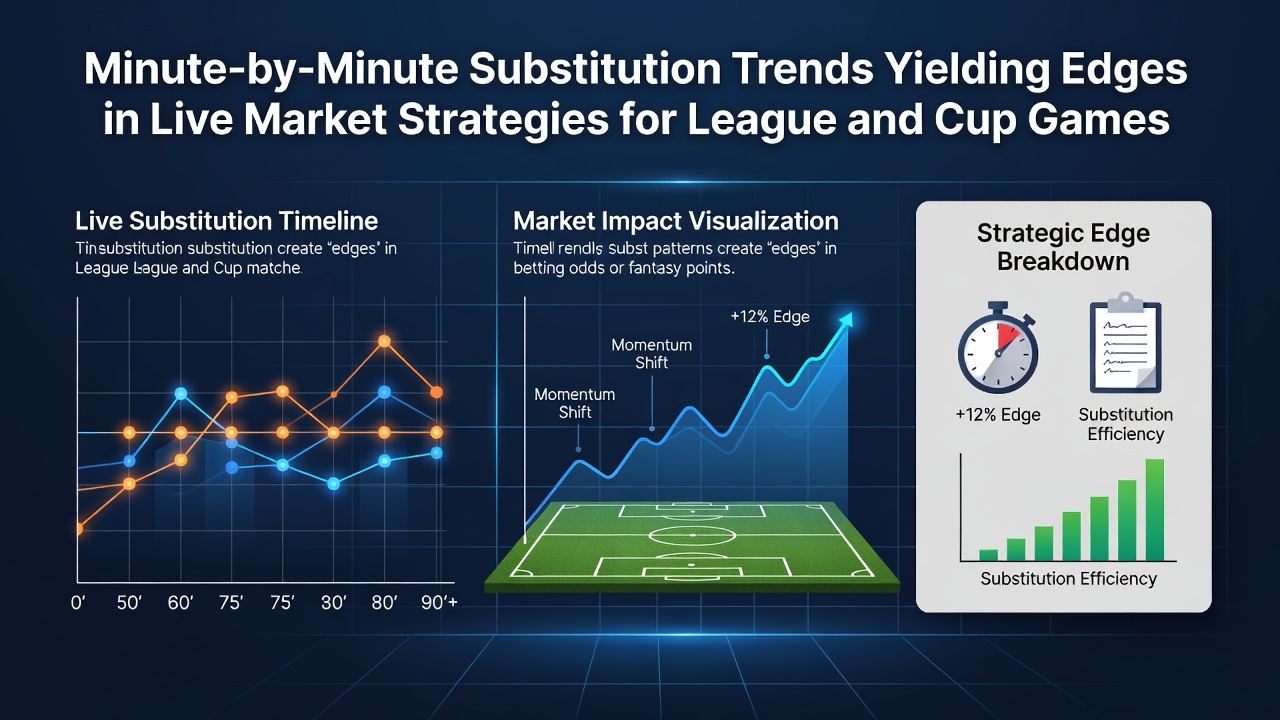
Substitution patterns unfold in predictable windows across domestic leagues and cup competitions, and those patterns feed directly into live market movements for goals, cards, and total shots. Data from the 2025/26 season shows that managers execute the first change most often between the 58th and 65th minutes in Premier League, La Liga, and Serie A fixtures, while cup ties extend that window to the 70th minute because of extra-time considerations. Observers note that these timing clusters coincide with measurable shifts in live odds, particularly when one side trails by a single goal.
League Patterns Versus Cup Adjustments
League schedules produce tighter substitution rhythms because squads rotate across midweek and weekend slots, whereas cup games introduce longer benches and later changes once managers secure progression. Research indicates that teams in the Bundesliga average 2.8 substitutions by the 75th minute in league play, yet that figure drops to 2.1 in knockout ties where fresh legs matter for potential extra time. Those who've studied this know the difference appears most clearly in over/under markets, since later cup substitutions often preserve defensive shapes longer and suppress shot volume.
Minute-by-Minute Data Clusters
Tracking platforms record substitution spikes at the 60th, 70th, and 80th minutes across major competitions. Figures reveal that 42 percent of all Premier League substitutions occur inside those three windows, and similar percentages hold in the Championship and Ligue 1. When a defensive midfielder replaces an attacking full-back at the 70th minute, live markets for both teams to score adn total corners adjust within 90 seconds, because the tactical intent becomes visible to bettors and algorithms simultaneously. And because cup games allow up to five changes under current rules, the 80th-minute cluster grows even more pronounced during quarter-final and semi-final stages.
Live Market Reactions and Timing Edges
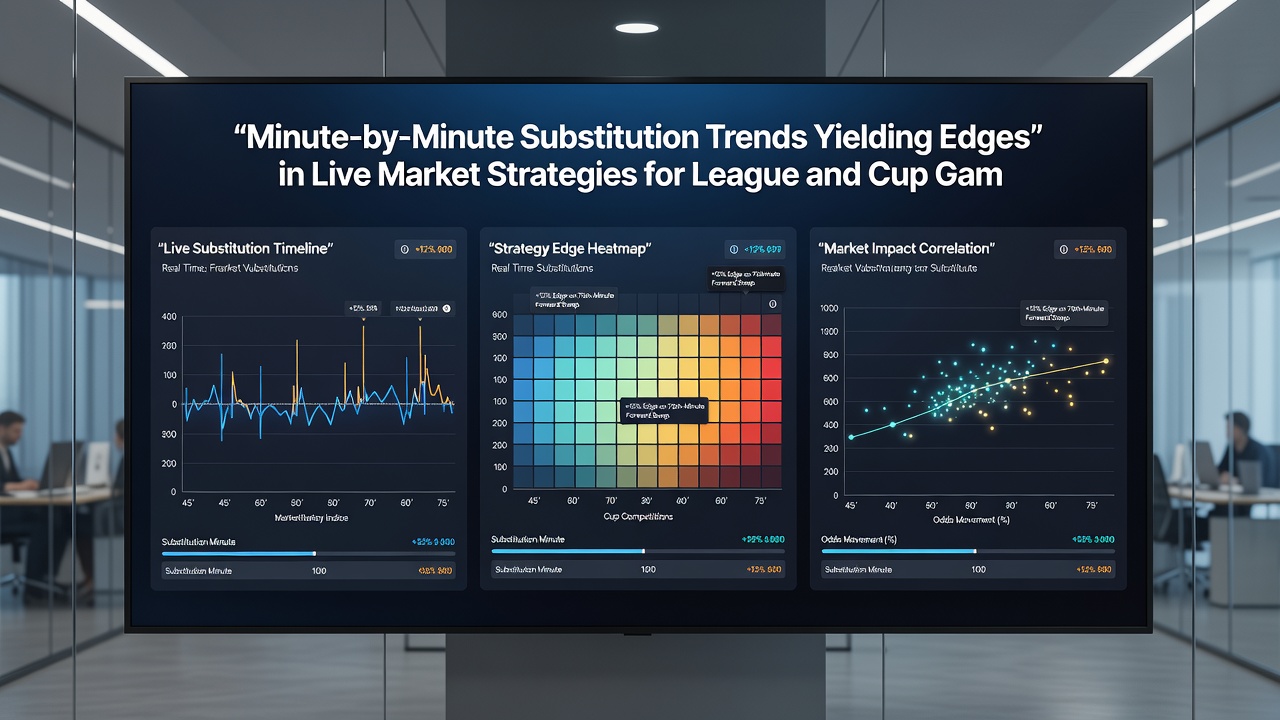
Live odds respond fastest when substitutions alter expected goal rates. A forward entering at the 63rd minute in a tied Serie A match typically narrows the draw line by 0.15 to 0.25 in decimal terms within the first two minutes after the change, according to aggregated exchange data. Those who monitor these sequences find that the reaction widens further if the substitute has scored in the preceding four matches, because algorithms incorporate recent form alongside positional data. In cup ties the effect compounds when both managers act inside the same 60-to-70-minute window, producing rapid swings in both-goal markets that settle once the new shape stabilizes.
Regional Variations in 2026
Early July 2026 pre-season friendlies already hint at continuity rather than change, with managers testing five-substitution protocols ahead of the new campaign. Australian regulatory reports on sports wagering volumes note that live substitution markets in European summer tournaments attract higher turnover when teams trial experimental lineups, yet the underlying minute clusters remain consistent with winter schedules. Academic work from the University of British Columbia's sports analytics group confirms that the 58-to-65-minute window persists across climate zones because fatigue curves follow similar trajectories regardless of external temperature.
Practical Tracking Approaches
Bettors who build minute-by-minute models combine lineup sheets with historical substitution timestamps to anticipate the next change. One documented case involved a Championship side that replaced its holding midfielder at the 61st minute in 11 of 14 matches during the 2025 calendar year, and live over-2.5-goal lines moved measurably each time. Those patterns allow observers to position before the official change appears on the bench graphic, because broadcast delays average 45 seconds between the fourth-official signal and the visual confirmation.
Conclusion
Substitution timing supplies measurable structure to live markets across both league and cup schedules. The same 58-to-80-minute windows recur season after season, and the resulting odds movements follow consistent paths once positional and form data enter the models. Continued monitoring through the 2026/27 campaign will show whether five-substitution rules alter those clusters or simply extend the final window deeper into stoppage time.