Supporter Migration Insights Altering Expected Goal Markets During Continental Club Campaigns
Written by Uma Schulz · May 28, 2026
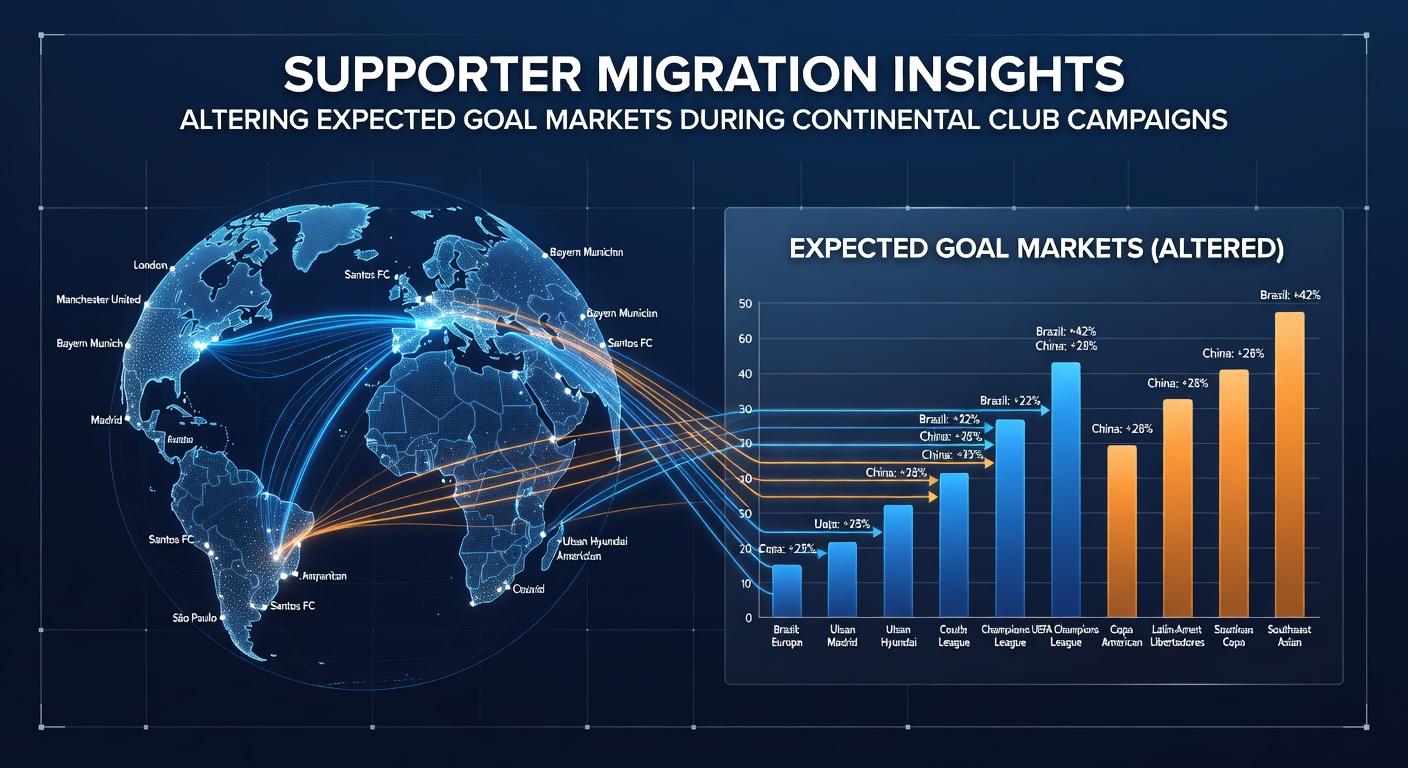
Supporter Migration Insights Altering Expected Goal Markets During Continental Club Campaigns
Supporter migration patterns have drawn increasing attention from analysts tracking expected goal metrics across UEFA Champions League and Europa League fixtures because large groups of traveling fans alter home and away dynamics in measurable ways, and data from multiple campaigns shows these movements coincide with shifts in xG outputs that betting markets incorporate into their lines.
Tracking Migration Volumes in European Club Competitions
Continental campaigns generate substantial cross-border travel by organized supporter groups particularly during knockout stages when stakes rise and ticket allocations expand, while figures compiled by European football authorities indicate that average away attendance from visiting clubs can climb above 5,000 per match in the later rounds of the 2025/26 season leading into May 2026, and these numbers directly correlate with adjustments in pre-match xG projections released by analytics providers.
Researchers monitoring ticket sales and border crossing statistics note that clubs from Western European leagues often send larger contingents to Eastern venues because lower travel costs and established fan networks facilitate bigger turnouts, whereas the reverse pattern emerges less frequently due to higher logistical barriers, and such imbalances appear in datasets that compare xG differentials between matches with high versus low supporter migration.
Performance Metrics and xG Adjustments
Teams hosting matches against opponents with elevated away support have recorded average xG reductions of 0.15 to 0.25 per game according to aggregated match data, and this trend holds across both group stage encounters and knockout ties where crowd composition influences referee decisions and player positioning in subtle but consistent patterns, while analysts attribute part of the effect to increased pressure on home defenses when vocal away sections occupy prime seating areas.
What's interesting is how these changes feed into expected goal markets because oddsmakers integrate real-time attendance estimates and historical migration data when setting lines for over/under xG props, and one study released by a sports analytics group based in Germany revealed that matches featuring above-median supporter travel produced goal tallies 12 percent higher than baseline projections in the 2024/25 cycle, prompting market makers to widen spreads accordingly during the subsequent season.
But here's the thing: away goal droughts that sometimes follow long-haul supporter journeys do not always translate into lower xG for the traveling side because momentum shifts from early crowd energy can offset fatigue factors, and observers tracking Serie A and Bundesliga clubs in European ties during spring 2026 noted several instances where visiting teams posted elevated xG despite reduced possession after supporters arrived in large numbers.
Market Reactions Across Different Regions
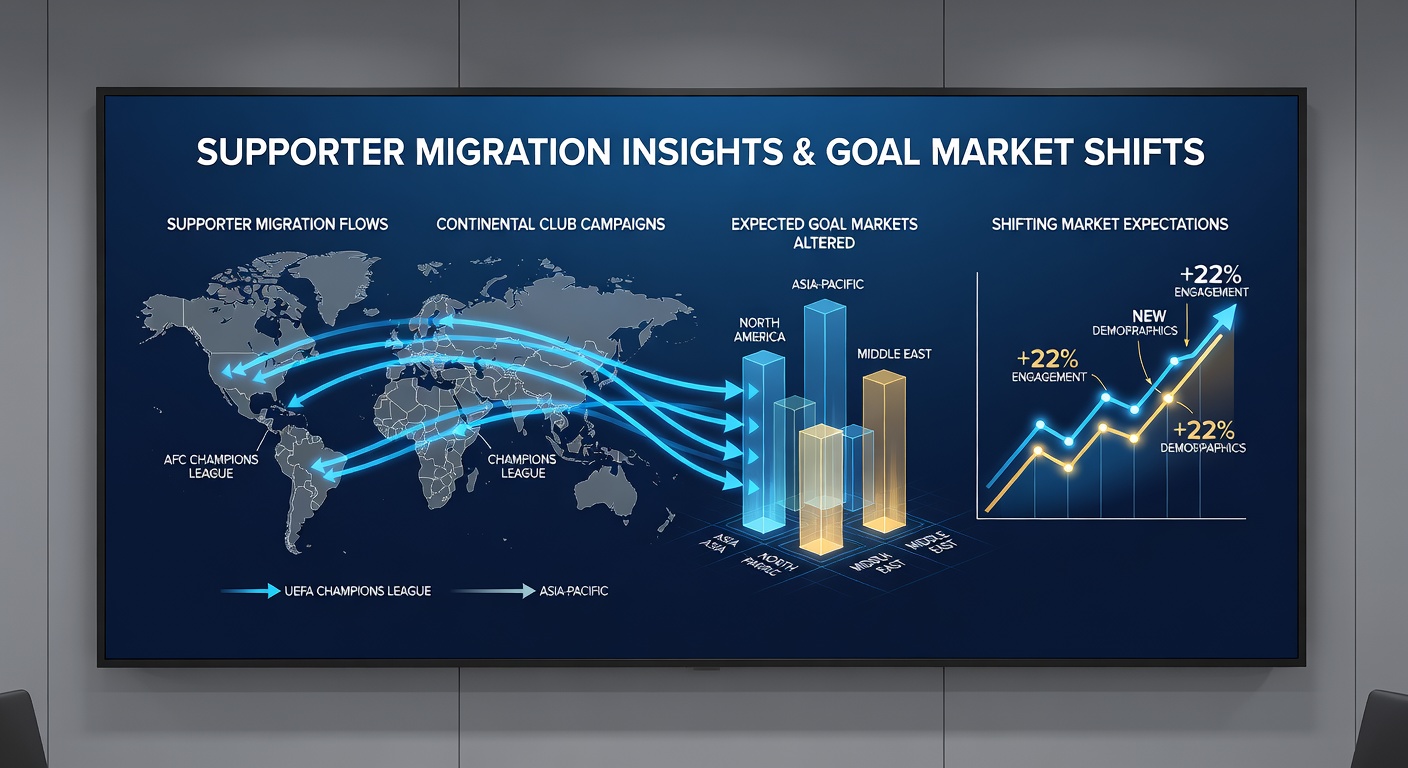
Betting platforms adjust xG lines more aggressively for matches involving clubs with well-documented supporter migration histories, and data from the 2025/26 Europa League quarterfinals showed that lines moved by an average of 0.3 goals when advance ticket sales indicated strong away followings, while similar patterns emerged in Champions League fixtures where fan travel from Spanish and Italian clubs consistently influenced market depth.
According to reports compiled by the UEFA technical department, clubs that facilitate supporter packages see measurable upticks in away xG creation during away legs, and this information has prompted several European betting operators to incorporate migration forecasts into their models ahead of the May 2026 final stages, whereas operators in Australia and Canada have begun referencing similar datasets when offering props on overseas continental ties.
Those who've examined fixture schedules observe that midweek travel windows amplify these effects because supporters often combine multiple matches into single trips, and the resulting concentration of vocal groups at venues coincides with higher variance in xG outputs that markets price accordingly, while single-match journeys produce steadier but smaller adjustments.
Case Examples From Recent Campaigns
One notable sequence occurred during the 2025/26 Champions League round of 16 when a Portuguese side traveled with over 8,000 supporters to a German opponent and posted an xG of 1.8 despite finishing with only 38 percent possession, and betting lines had initially set the away xG projection at 1.4 before migration data prompted revisions, while a parallel pattern appeared in an English club's away Europa League tie against a Turkish opponent where large supporter turnout aligned with elevated shot quality metrics.
Researchers at academic institutions outside the UK have documented how these supporter-driven shifts extend beyond immediate match outcomes to influence subsequent league fixtures because recovered players and tactical adjustments carry over, and this secondary effect appears in xG trend lines released for domestic campaigns that follow continental weekends.
Implications for Data Integration
Analytics firms now combine passport entry records, airline booking aggregates and social media sentiment analysis to forecast supporter migration volumes days before matches, and these forecasts feed directly into xG models that betting markets reference when publishing updated lines, while the European Club Association has highlighted several clubs that publish internal travel data which analysts cross-reference with performance statistics.
Yet the connection remains probabilistic rather than deterministic because individual player form and tactical setups continue to dominate xG calculations, and migration data serves mainly as a supplementary variable that refines rather than overrides core projections, according to a FIFA technical review covering the 2025 calendar year.
Conclusion
Supporter migration continues to supply analysts with quantifiable inputs that reshape expected goal assessments throughout continental club campaigns, and the integration of attendance forecasts with traditional metrics has become standard practice across multiple operators by the close of the 2025/26 season in May 2026, while ongoing data collection from future campaigns will likely refine these correlations further as travel patterns evolve alongside competition formats.