Substitution Timings and Squad Depth Metrics Shaping Multi-League Wager Approaches
Written by Uma Schulz · Jul 12, 2026
Substitution Timings and Squad Depth Metrics Shaping Multi-League Wager Approaches
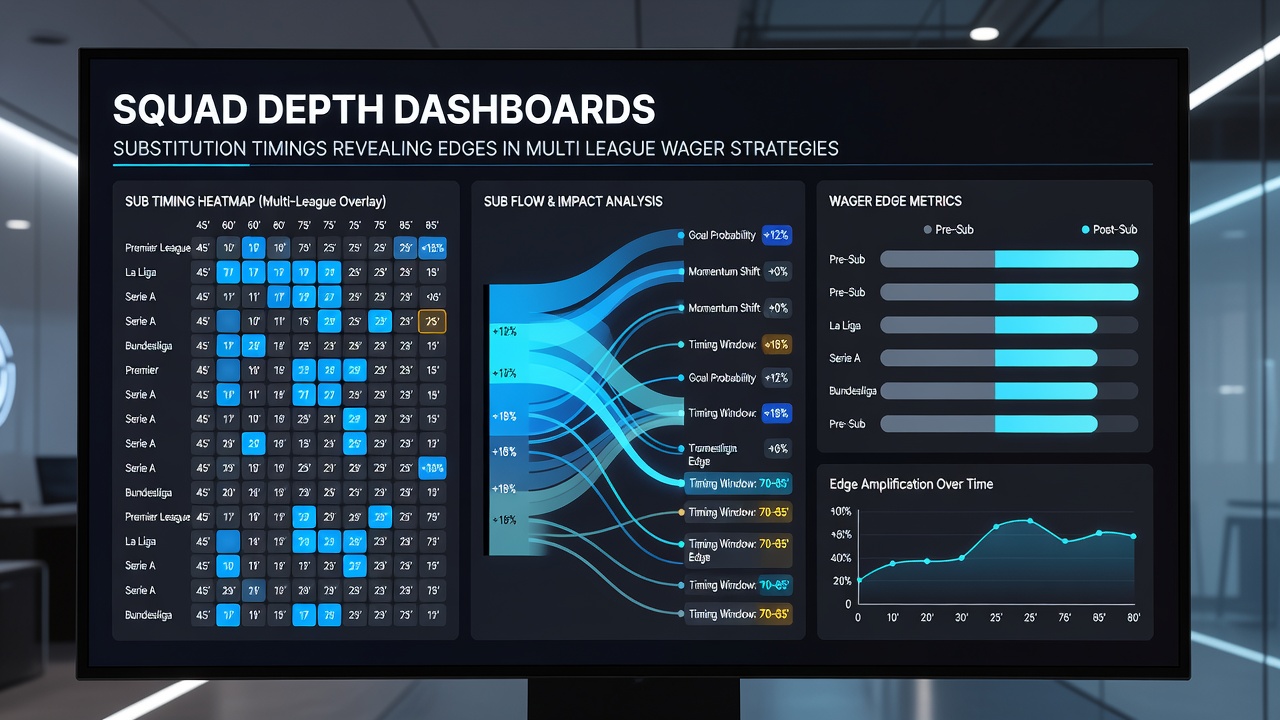
Analysts track substitution timings through squad depth dashboards that aggregate player rotation data from matches in the Premier League, La Liga, Serie A, and the EFL Championship, and these systems highlight patterns where teams introduce fresh legs at specific minutes to maintain performance levels. Data from the 2025/26 campaign shows average first substitutions occurring between the 58th and 72nd minutes across Europe's top divisions, with variations tied directly to fixture congestion and squad size.
Teams with deeper benches tend to delay changes until after the hour mark, preserving energy for late surges, whereas shallower squads often make earlier moves around the 50-minute mark to combat fatigue. Observers note that such timing differences create measurable impacts on in-game metrics including possession retention and shot creation, which in turn influence wager outcomes on totals and side results when data feeds into multi-league strategies.
League-Specific Substitution Patterns
Premier League sides average 2.8 substitutions per match during congested periods, yet the timing clusters later in games compared with Serie A where coaches average 2.4 changes but introduce them earlier to protect leads. La Liga data reveals a preference for attacking substitutions after the 75th minute, reflecting greater reliance on wide options and wing play that stretches defenses when fresh attackers enter. EFL Championship matches display the highest frequency of double substitutions between the 65th and 70th minutes, driven by physical demands of the schedule and smaller squad investments.
Figures released by the FIFA Technical Study Group indicate that clubs maintaining five or more players with over 2,000 minutes played in a season record substitution timings that correlate with improved second-half goal differentials in cross-league comparisons. These patterns become especially relevant during July 2026 pre-season windows when new signings integrate and alter depth profiles ahead of the campaign start.
Coaches who favor early tactical shifts often signal concerns over squad rotation limits, and dashboards capture these decisions alongside historical benchmarks to flag potential performance drops. Multi-league wager approaches incorporate this information by cross-referencing substitution windows against opponent fatigue indicators, particularly when teams travel between domestic and European fixtures.
Data Integration Across Competitions
Research from the Stats Perform Research Division demonstrates that substitution timing edges appear most pronounced in combined Premier League and Serie A accumulator structures, where late changes in one league interact with early adjustments in the other to shift expected goal values. Squad depth dashboards compile these metrics into visual layers that isolate the 60-75 minute window as a high-variance period across all tracked divisions.
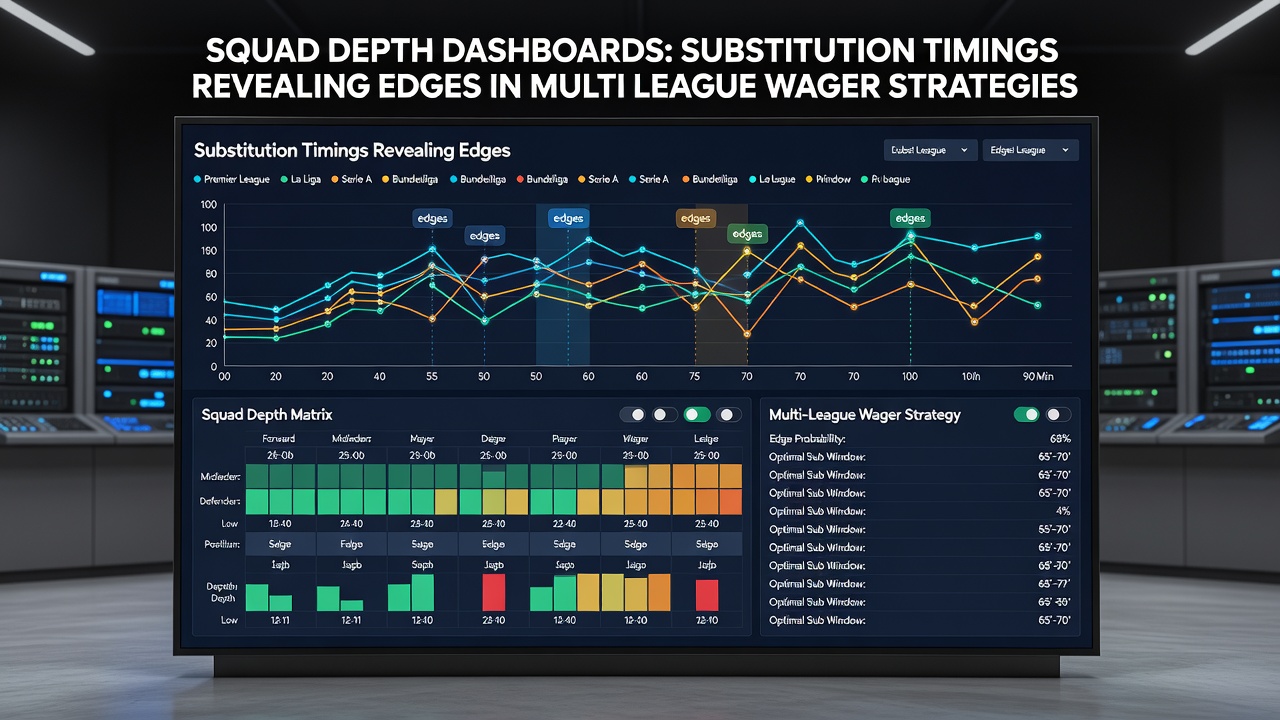
Teams that consistently replace midfielders between the 55th and 65th minutes show measurable declines in progressive passes during the subsequent ten minutes, creating temporary windows where opposing sides generate higher-quality chances. Analysts apply these observations to wager models by weighting leagues differently based on average squad sizes reported at the start of each season.
July 2026 transfer activity further modifies these baselines as new arrivals influence both depth rankings and the minutes at which coaches feel confident making changes. Data aggregation tools now include real-time updates from domestic cups and friendlies to refine projections before the new campaign begins in earnest.
Conclusion
Squad depth dashboards continue to evolve as primary resources for identifying substitution timing patterns that influence outcomes across multiple leagues simultaneously. The integration of minute-by-minute data with squad composition metrics provides structured inputs for wager frameworks focused on timing-driven edges rather than isolated match results. Ongoing collection through the summer months ensures these systems remain calibrated for the demands of the 2026/27 season.