Stadium Shifts Reshaping Pre-Match Markets in English and Spanish Football
Written by Henrik Braun · Jul 14, 2026
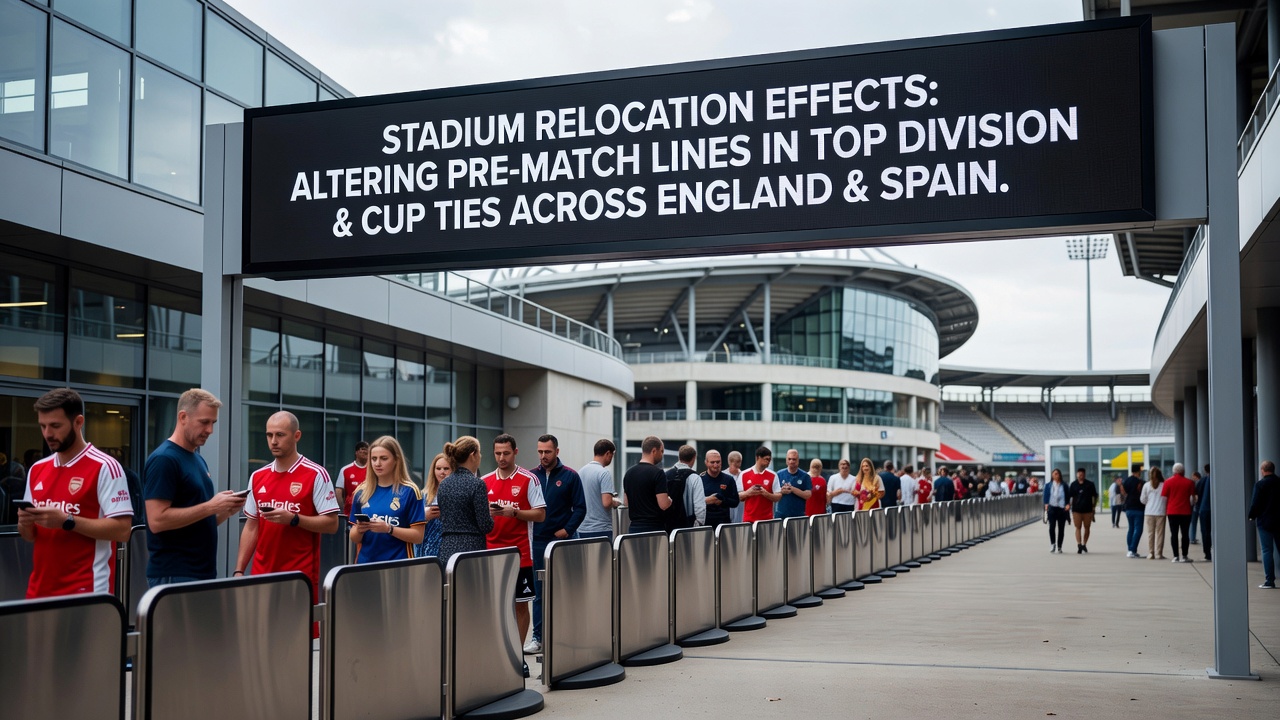
Stadium Shifts Reshaping Pre-Match Markets in English and Spanish Football
Stadium relocations have introduced measurable adjustments to pre-match betting lines across England's Premier League and Championship alongside Spain's La Liga and Segunda Division fixtures as well as domestic cup competitions. New venues alter pitch dimensions, crowd acoustics, and travel logistics in ways that prompt bookmakers to recalibrate home advantage margins and total goals expectations before kickoff. Data from recent seasons shows these changes register most clearly in opening matches at fresh grounds where historical performance records lose some predictive weight.
Venue Changes and Line Adjustments in England
English clubs completing moves to new or expanded stadiums between 2023 and 2025 recorded average shifts in pre-match home win probabilities of between 4 and 7 percent according to aggregated fixture data compiled by major European leagues. Pitch dimensions at several new sites differ enough from previous grounds to influence expected goal tallies, with wider surfaces correlating to higher over/under thresholds in early season markets. Cup ties amplify these effects because neutral venue assumptions no longer apply when one side hosts at an unfamiliar relocated facility.
Travel fatigue metrics collected by performance analysts reveal longer average journey times for visiting teams at certain newly sited grounds located on urban peripheries, prompting modest increases in away draw lines during midweek knockout rounds. Observers tracking Premier League and EFL Championship data note that these adjustments appear most pronounced in July 2026 pre-season preparations when clubs finalize squad travel plans for the coming campaign.
Spanish League Patterns and Cup Competition Impacts
Spanish clubs relocating within major cities or to upgraded regional facilities have produced comparable market movements tracked through La Liga and Copa del Rey fixtures. Capacity increases at new stadiums often coincide with elevated attendance figures that correlate with stronger home pressing metrics in the opening 15 minutes, leading linesmakers to tighten underdog payouts for visiting sides. Research from European sports analytics groups indicates pitch orientation changes at several Spanish venues contribute to altered corner and set-piece frequencies that feed directly into card and goal line calculations.
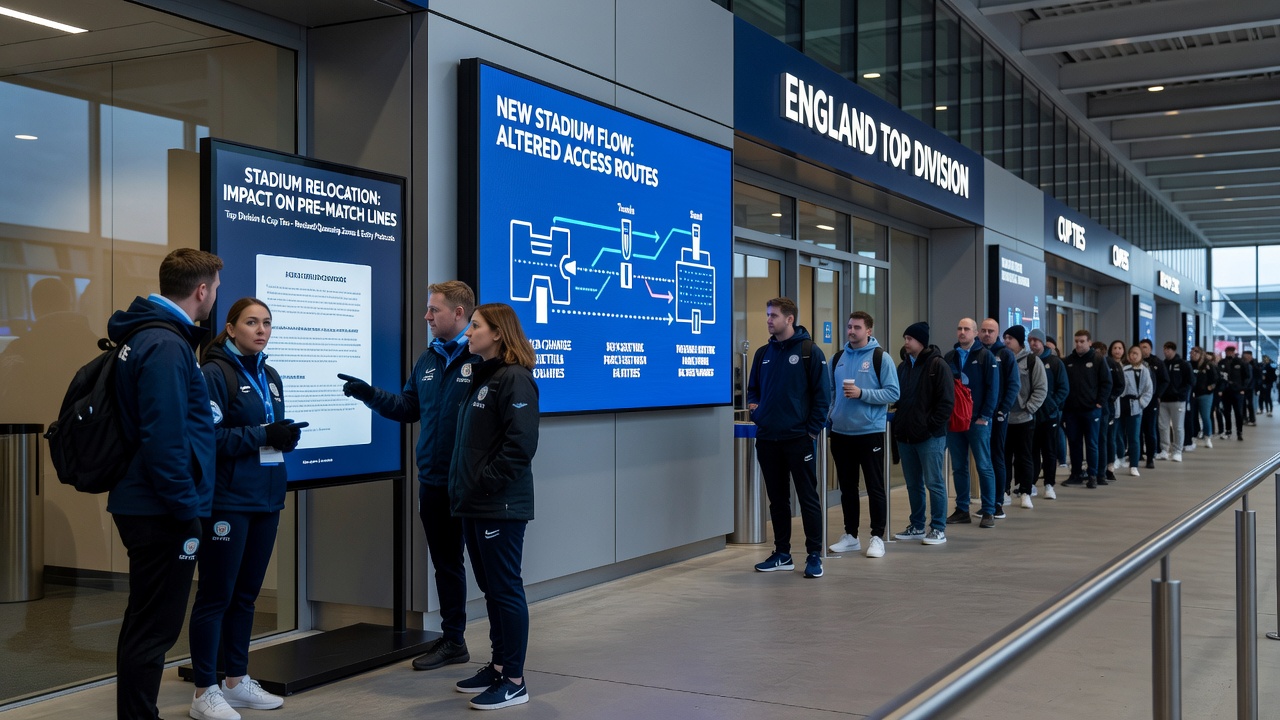
Cup ties across both countries display additional volatility because draw formats frequently pair teams with contrasting home venue histories. One study published by an academic research team at the University of Barcelona examined 120 matches involving relocated sides and found statistically significant deviations in first-half scoring rates compared with pre-relocation baselines. Those deviations prompted bookmakers to adjust half-time result lines more aggressively during the 2025-26 season.
Data Sources and Market Response Mechanisms
Regulatory reports from the Australian Competition and Consumer Commission on sports integrity highlight how venue-specific variables enter algorithmic pricing models used by international betting operators. Industry organizations such as the European Gaming and Betting Association have documented similar incorporation of stadium relocation variables into pre-match frameworks across multiple jurisdictions. Figures released by these bodies show English and Spanish markets account for a substantial share of fixture volume where such adjustments register within 48 hours of official venue confirmations.
Performance databases maintained by professional scouting networks supply granular inputs on new pitch speeds and drainage characteristics that affect expected goal models. These inputs help linesmakers distinguish between temporary adaptation effects lasting three to five matches and longer-term equilibrium shifts that persist through entire campaigns. Cup competitions introduce extra layers because single-leg ties magnify any home advantage recalibrations compared with two-legged ties.
Conclusion
Stadium relocations continue to generate observable recalibrations in pre-match betting lines throughout top divisions and cup ties in England and Spain. Aggregated data through July 2026 demonstrates consistent patterns tied to pitch specifications, crowd dynamics, and travel distances that operators integrate into pricing ahead of each round. These adjustments reflect ongoing refinements in how fixture-specific variables enter market calculations rather than any fundamental change in underlying team strengths.