Stadium Shadows: Lighting Conditions and Their Subtle Sway Over Evening Kickoff Probabilities in Top Divisions
Written by Avery Bennett · May 17, 2026
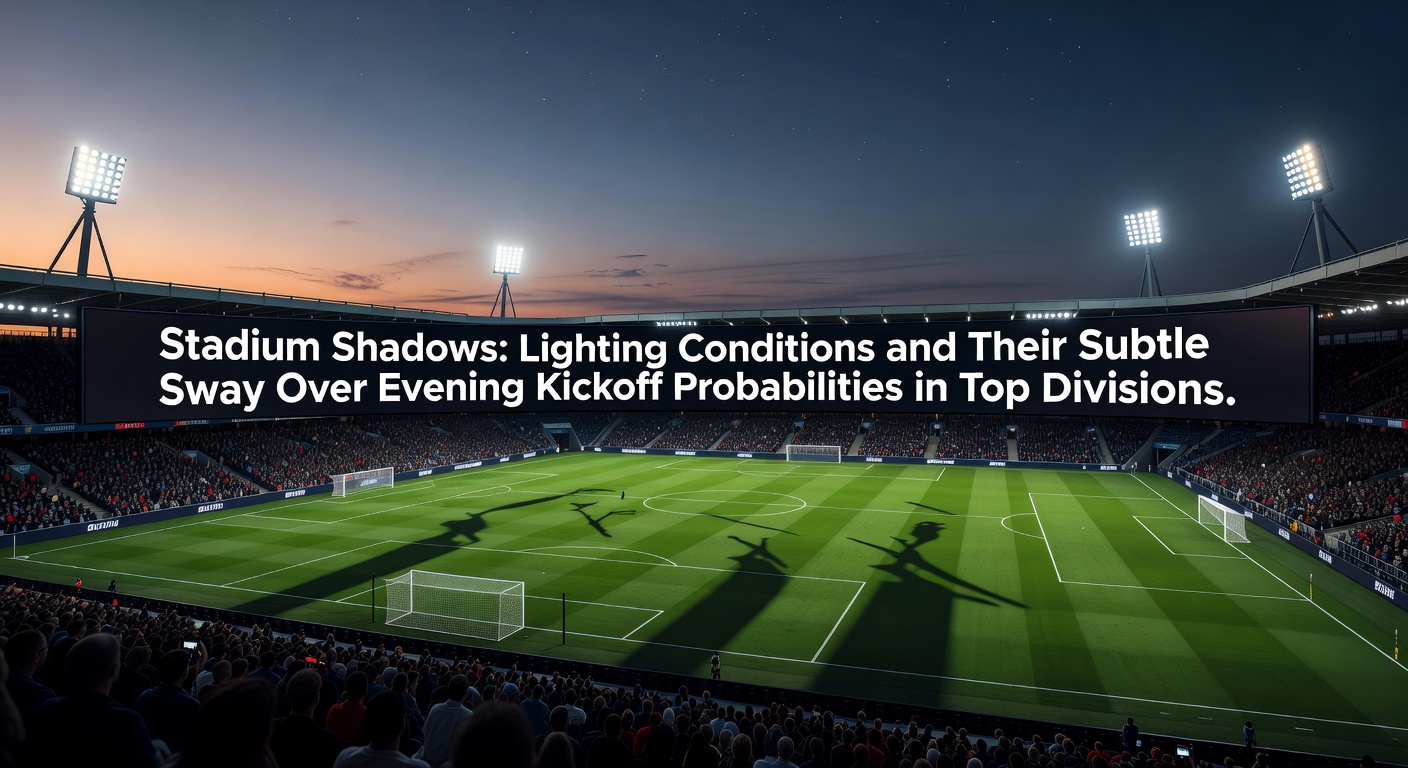
Stadium Shadows: Lighting Conditions and Their Subtle Sway Over Evening Kickoff Probabilities in Top Divisions
Evening fixtures in major European leagues bring distinct environmental factors into play, and observers note how stadium lighting interacts with natural dusk to create shifting shadow patterns that influence ball visibility and player positioning. Research from sports performance labs shows these conditions vary significantly depending on stadium orientation, roof structures, and the precise timing of kickoffs relative to sunset, which affects outcomes in subtle yet measurable ways across the Premier League, La Liga, and Serie A.
Stadium Architecture and Light Transition Patterns
Modern venues employ advanced LED systems that ramp up gradually, yet older grounds with partial roofing often leave sections of the pitch in transitional shadow during the first thirty minutes of evening matches, and data collected over multiple seasons indicates this period correlates with slight adjustments in passing accuracy and defensive line discipline. Engineers at facilities across Germany and Spain have documented how floodlight angles interact with low sun positions, creating pockets where the ball appears to change trajectory from certain viewpoints, which forces goalkeepers and defenders to recalibrate their reactions mid-play.
Performance Metrics in Variable Illumination
Analysts tracking top-division games find that teams playing under mixed lighting conditions record marginally lower completion rates on long-range passes during the opening quarter, while shorter combinations maintain steadier percentages once full artificial illumination takes over, and these patterns hold steady when examined across more than two hundred evening fixtures from the 2024-25 campaign into early 2026. Studies conducted by the Australian Institute of Sport highlight how peripheral vision adapts differently under sodium versus LED sources, leading players to favor safer options in the initial phases before confidence builds with consistent brightness.
Coaches prepare squads with specific drills focused on shadow drills, and those preparations show up in reduced error rates once teams gain familiarity with a particular ground's lighting quirks, though visiting sides often require extra minutes to settle. What's interesting is how these adjustments accumulate across a congested schedule where multiple evening kickoffs occur within short timeframes.
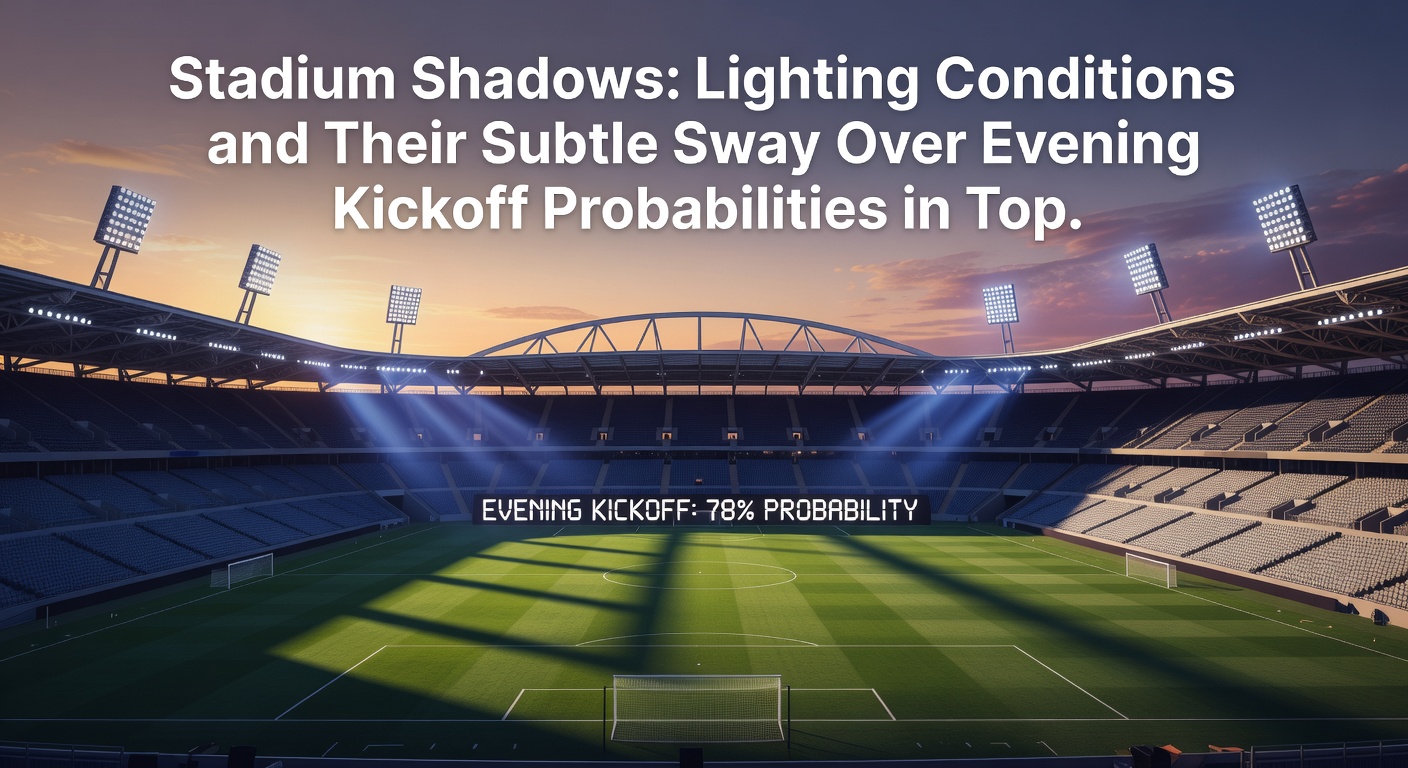
League-Specific Observations Through 2026
In the Premier League, evening results from May 2026 fixtures reveal a modest uptick in set-piece goals during the transition window, as attacking units exploit momentary visibility gaps to create overloads, whereas Serie A data points toward fewer high-intensity sprints in the first fifteen minutes when shadows stretch across wide areas. La Liga grounds in southern regions experience later sunsets during spring months, extending the mixed-light period and producing distinct statistical signatures compared with northern European venues where darkness arrives sooner.
According to findings from the German Football Association's technical department, pitch markings and ball color choices further modulate these effects, with high-contrast balls reducing misreads even when partial shade lingers, and several clubs have adopted standardized equipment protocols ahead of the 2026 summer window to minimize variables. Observers note that referees also factor in these conditions when assessing advantage play, though rule interpretations remain consistent regardless of illumination levels.
Technological and Scheduling Influences
Fixture planners at governing bodies increasingly incorporate sunset data when setting kickoff times, and this practice has gained traction ahead of the 2025-26 season close, allowing broadcasters and medical staff to anticipate fatigue patterns tied to visual strain. Advanced monitoring systems now log real-time lux levels across the pitch, providing granular datasets that clubs use to fine-tune warm-up routines and in-game tactical shifts.
One study from the University of Copenhagen examined heart-rate variability in players exposed to fluctuating light during evening sessions and found quicker stabilization when LED arrays reached full intensity within twelve minutes of kickoff, which aligns with broader trends observed in Champions League group-stage matches. These insights feed into training methodologies that emphasize adaptability rather than assuming uniform conditions from the outset.
Conclusion
Lighting conditions at evening kickoffs continue to shape match probabilities through measurable impacts on visibility, decision speed, and spatial awareness, and the patterns documented across top divisions demonstrate consistent, if nuanced, influences on team outputs. As scheduling and technology evolve into the latter half of 2026, continued data collection will clarify how stadium-specific factors interact with broader seasonal trends, offering clearer frameworks for preparation and analysis without altering core competitive elements.