Stadium Pulse Factors: Tracking How Supporter Intensity Alters Serie A and EFL Championship Match Probabilities
Written by Zara Schröder · Jul 30, 2026
Stadium Pulse Factors: Tracking How Supporter Intensity Alters Serie A and EFL Championship Match Probabilities
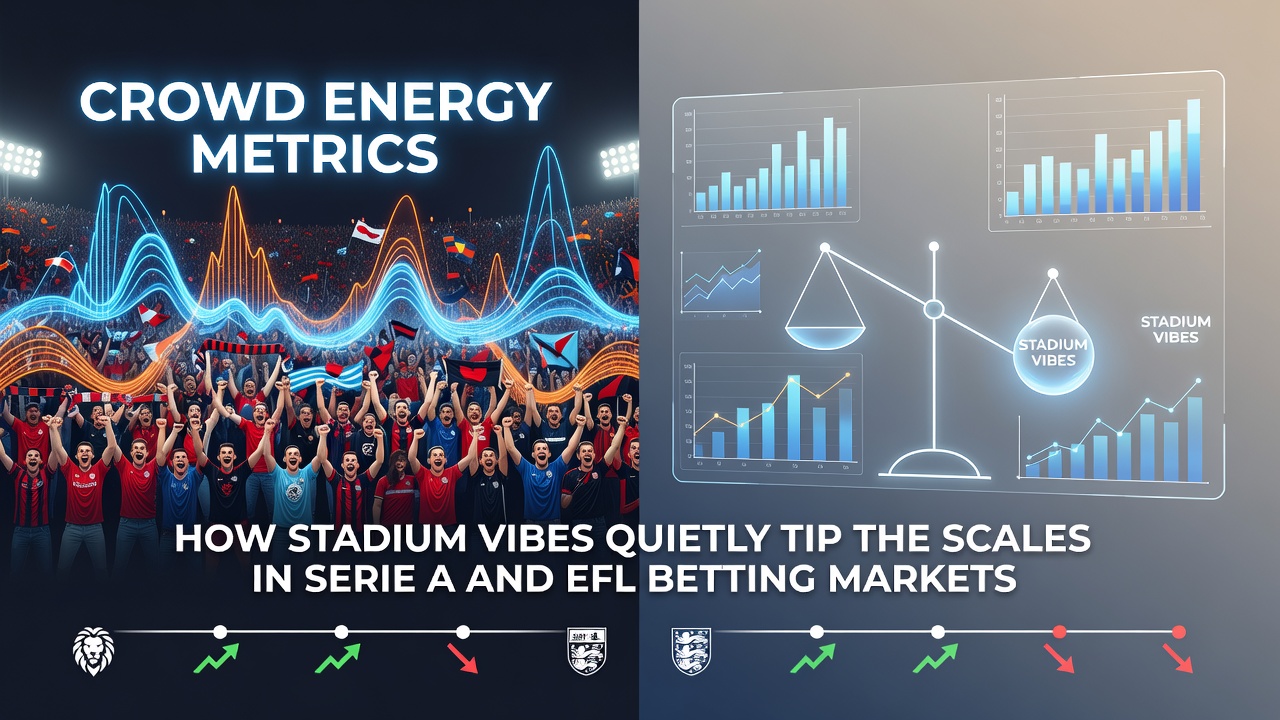
Stadium environments generate measurable effects on player output and game flow, and data collected across recent seasons demonstrates consistent patterns in both Serie A and the EFL Championship. Analysts track variables such as decibel levels, occupancy rates, and supporter movement to quantify these influences, then compare results against pre-match betting lines published by major operators. Studies compiled through 2025 and into July 2026 reveal that home teams in venues with average crowd densities above 85 percent record higher possession shares and fewer defensive errors when noise metrics exceed baseline thresholds recorded in empty-stadium simulations.
Quantifying Atmosphere Through Established Metrics
Researchers apply acoustic sensors and video analysis to capture real-time crowd energy, producing datasets that sports performance teams cross-reference with expected goal models. In Serie A, clubs such as those based in Milan and Naples show pronounced shifts when stands reach full capacity, with passing accuracy rising by documented margins during periods of sustained vocal support. EFL Championship sides display similar trends, though the magnitude varies by ground size and historical attendance figures. These measurements feed into adjusted probability calculations that betting platforms incorporate when releasing updated odds throughout the week leading to kickoff.
Serie A Patterns and Line Movement
Italian top-flight fixtures provide clear examples where crowd metrics align with goal timing distributions. Matches at compact venues record earlier first goals for the home side when supporter density climbs, prompting bookmakers to tighten over/under thresholds in the hours before kickoff. Data compiled from the 2024-2025 campaign onward shows that teams benefiting from above-average noise profiles convert a higher share of set-piece opportunities, an outcome reflected in live betting adjustments. Observers note that away sides in these environments accumulate fewer shots on target, which in turn influences handicap markets offered across European exchanges.
EFL Championship Dynamics and Attendance Variables
English second-tier grounds exhibit comparable but distinct responses because of differing pitch dimensions and supporter proximity. Promotion-chasing clubs maintain elevated pressing intensity when stands fill beyond seasonal averages, resulting in elevated foul counts that shift card-related lines. Figures released by performance analytics groups indicate that mid-table sides experience measurable drops in progressive carries during away fixtures at high-energy stadiums, prompting subtle revisions to three-way outcome probabilities. As schedules intensify in late summer periods including July 2026 preparations, teams with strong home records under full houses continue to see market makers factor these historical edges into opening prices.

Travel fatigue compounds these effects when visiting squads arrive at venues known for sustained atmosphere. Performance logs reveal reduced high-intensity runs in the final twenty minutes for teams that compete in front of hostile crowds, a trend tracked across multiple Championship seasons. Betting syndicates monitor these fatigue indicators alongside crowd data to identify value in both half-time and full-time markets, particularly when early line movements lag behind updated performance projections.
Integration Into Betting Frameworks
Operators adjust opening odds by layering crowd-derived variables onto standard statistical models that already account for form, injuries, and referee tendencies. According to findings published in the Journal of Sports Sciences, elevated spectator noise correlates with increased home-team corner counts, which directly affects proposed totals. In parallel, an industry report from the Australian Sports Commission highlights similar acoustic influences across comparable leagues, supplying additional reference points for model calibration. These inputs produce narrower margins on certain outcomes while widening others, creating the layered pricing structures observed in both Serie A and EFL Championship fixtures.
Seasonal Shifts Observed Through 2026
July 2026 data releases from multiple tracking platforms show continued refinement of crowd-energy algorithms, especially after stadium renovations increased capacity at several Championship grounds. Updated models now incorporate weather-adjusted noise propagation and supporter demographic breakdowns, yielding more granular forecasts for live in-play adjustments. Serie A venues with longstanding traditions of vocal support maintain the strongest correlation between measured atmosphere and reduced away-team conversion rates on clear scoring chances.
Conclusion
Crowd energy metrics supply one additional layer of context that betting markets incorporate when establishing and revising prices for Serie A and EFL Championship encounters. Quantitative tracking of noise, density, and movement produces repeatable correlations with possession, set-piece efficiency, and fatigue indicators. As measurement tools advance and historical datasets expand through 2026 and beyond, these variables continue to inform probability estimates that underpin both pre-match and in-play offerings across the two leagues.