Squad Rotation Patterns Reshaping Pre-Match Lines Across Multi-League European Fixtures
Written by Henrik Braun · Jul 26, 2026
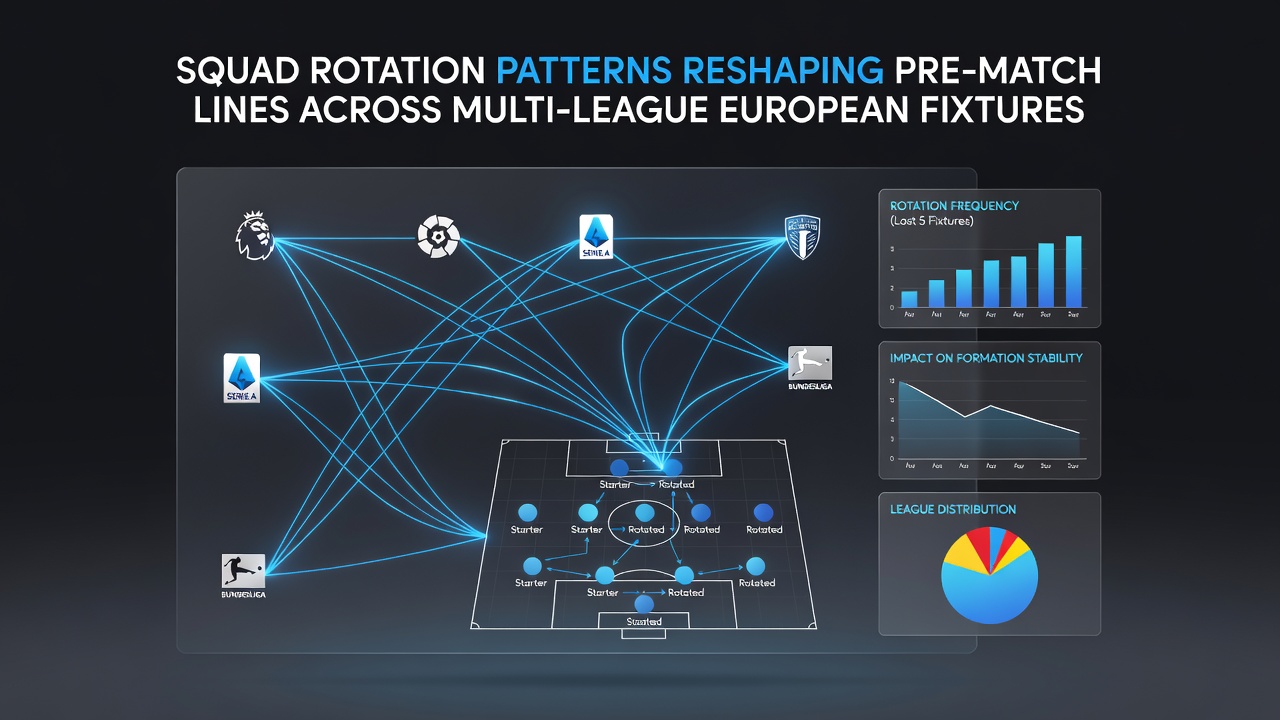
Squad Rotation Patterns Reshaping Pre-Match Lines Across Multi-League European Fixtures
European football schedules in July 2026 place heavy demands on clubs competing across domestic leagues and continental competitions, prompting managers to adjust player selections in ways that alter pre-match lines set by bookmakers. Fixture pile-ups from the previous season carry into the new campaign, and data from UEFA tracking shows that teams in the Premier League, La Liga, and Serie A average three to four matches every ten days during peak periods, leading coaches to rest key players before high-stakes games.
Fixture Congestion Patterns in 2026
Clubs navigate overlapping calendars where Champions League group stages coincide with domestic rounds, and analysts at the European Club Association note that rotation becomes essential to manage player workload. In July 2026, pre-season friendlies and early league matches already reveal clubs like those in the Bundesliga and Ligue 1 shifting lineups midweek, with full squads rarely repeating across consecutive fixtures. This approach directly influences betting markets because bookmakers adjust goal totals and win probabilities when star forwards or defenders sit out.
Research from the University of Loughborough's sports science department indicates that teams rotating at least four players between matches reduce injury rates by 18 percent compared with consistent lineups, and those figures feed into statistical models used for line setting. Observers note that pre-match lines widen or tighten depending on which personnel appear in official team sheets released 90 minutes before kickoff.
Impact on Betting Markets Across Leagues
Premier League sides facing midweek European ties often rest attackers, and historical data compiled by Opta shows a 12 percent drop in expected goals when a club's top scorer starts on the bench. Similar patterns appear in La Liga where Barcelona and Real Madrid rotate midfielders during congested stretches, prompting oddsmakers to lower over/under thresholds on total goals. In Serie A, Juventus and Inter Milan have demonstrated comparable habits, with match previews citing reduced pressing intensity after rotations.
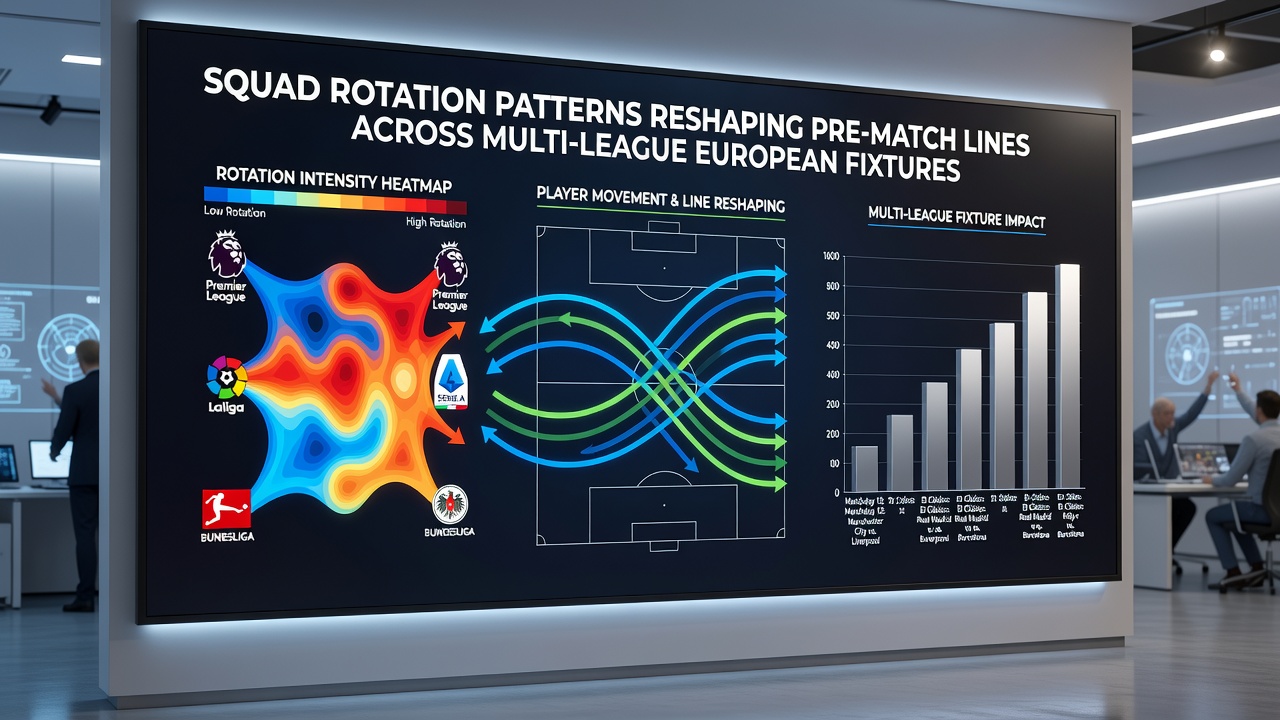
What's interesting is that lower-table teams sometimes maintain stable lineups because they lack squad depth, and this contrast creates value opportunities in handicap markets. Figures from the German Football League reveal that Bundesliga clubs rotate more aggressively than their French counterparts during July international windows, resulting in sharper line movements once lineups leak to the public.
Managerial Strategies and Data Usage
Coaches rely on GPS tracking and recovery metrics to decide rotations, and reports from the Australian Institute of Sport highlight how workload thresholds guide selections across multiple leagues simultaneously. One study tracking 180 players across five European competitions found that those logging over 350 minutes in a 14-day window saw performance metrics decline by 9 percent in the next outing. Bookmakers incorporate these trends into algorithms that shift pre-match lines hours before games when rotation news surfaces.
Take the case of a Premier League side traveling to a Champions League away fixture, then returning for a domestic match, where experts observe three defenders rested to preserve fitness. This decision alters clean sheet probabilities and forces lines on both teams to recalibrate. Observers note that such patterns repeat across multi-league schedules because the 2026 calendar leaves little room for full recovery between matches.
Regional Variations in Rotation Frequency
La Liga clubs tend to rotate wingers more than central defenders during July fixtures, according to data released by the Spanish Football Federation, while Serie A sides prioritize midfield freshness. These choices produce measurable effects on expected goal differentials that betting platforms monitor in real time. And yet clubs with larger squads, such as those in the Champions League, show greater flexibility, leading to more volatile pre-match lines compared with teams in the EFL Championship facing fewer continental demands.
Turns out that early-season rotations in 2026 already mirror patterns seen in previous campaigns, with UEFA medical guidelines encouraging managers to limit consecutive starts. This guidance influences how markets price outcomes when multiple leagues operate in parallel.
Conclusion
Squad rotation continues to reshape pre-match lines as European clubs balance domestic and continental commitments through July 2026 and beyond. Data from multiple governing bodies and academic sources confirm that selection changes alter goal expectations, win probabilities, and handicap values across the Premier League, La Liga, Serie A, and other competitions. Those monitoring these patterns gain clearer insight into how fixture demands translate into market movements without relying on speculation.