Recovery Rhythms Reshaping European Match Markets
Written by Zara Schröder · Aug 11, 2026
Recovery Rhythms Reshaping European Match Markets
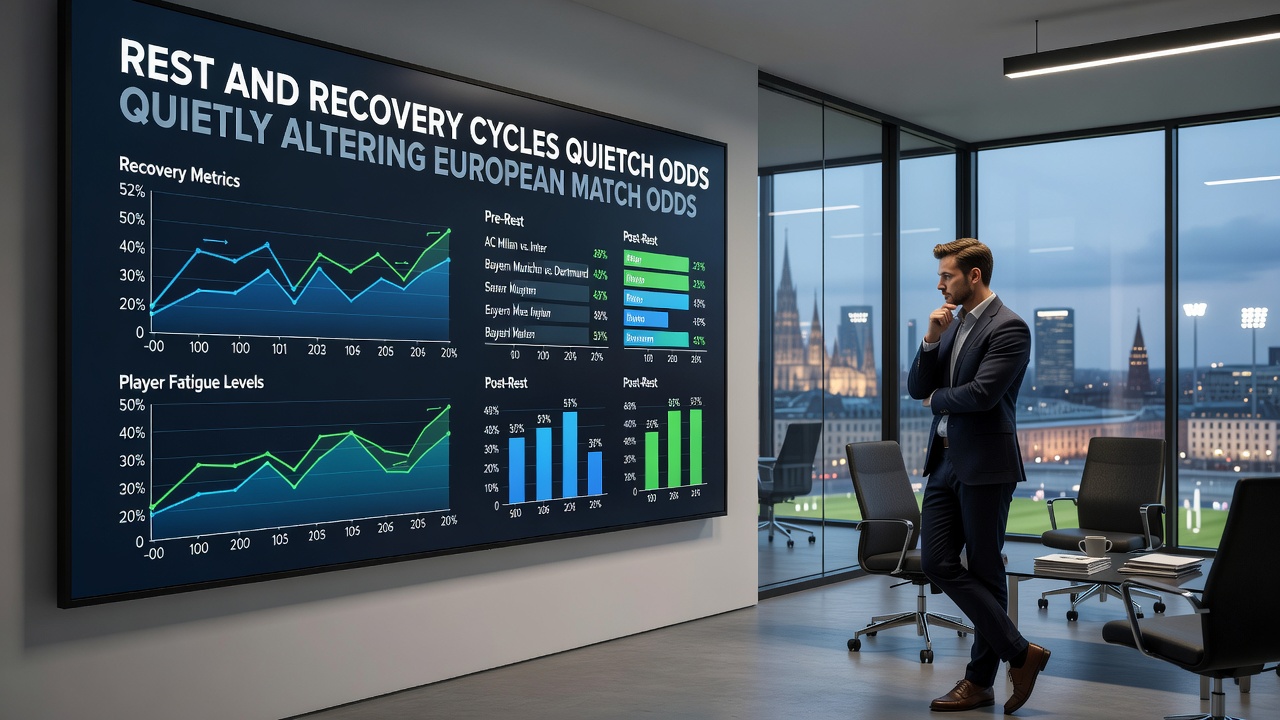
European football schedules in August 2026 have already highlighted how rest intervals between fixtures alter pre-match lines across multiple competitions, with bookmakers adjusting spreads based on squad freshness metrics tracked by performance analysts. Teams returning from extended breaks show measurable differences in expected goal outputs, and those patterns feed directly into opening odds for league openers and early cup ties.
Data compiled from the opening weeks of the season indicate that clubs with three or more full rest days before a fixture post higher clean-sheet probabilities than those operating on back-to-back schedules, while recovery cycles also influence over/under thresholds when high-pressing sides lack sufficient turnaround time. Observers note that these adjustments occur quietly through line movements rather than dramatic shifts, yet they accumulate across accumulators and live markets.
Fixture Congestion and Physiological Markers
Leagues in England, Spain, Italy, and Germany continue to pack fixtures into short windows, and sports science departments now publish weekly reports tracking heart-rate variability, muscle soreness scores, and sleep duration across squads. When clubs report elevated fatigue markers after midweek European ties, oddsmakers widen margins for opponents in the subsequent domestic round because historical datasets show a drop in shots on target and an increase in errors under fatigue.
August 2026 examples include several Premier League sides that played Champions League qualifiers on the Wednesday before their Saturday league fixtures, resulting in modest line drifts toward the visiting teams despite similar squad values on paper. Similar patterns emerged in La Liga where clubs with midweek Copa del Rey ties saw their over 2.5 goal lines move lower once recovery data became public through press briefings.
International Windows and Return Timelines
Players returning from national team duty in late summer often receive only 48 to 72 hours before club matches, and betting markets have begun incorporating travel distance and time-zone changes into initial pricing. European confederation reports show that squads relying on long-haul internationals post lower expected points totals in the immediate follow-up fixtures, prompting subtle price adjustments that reward bettors monitoring recovery timelines.
One study released by the FIFA Performance Analysis unit tracked GPS data across 2025 and early 2026 windows, revealing average reductions in high-intensity running when players crossed more than four time zones before returning to club duty. Those figures now appear in proprietary models used by European bookmakers to refine handicap lines.
Market Responses and Line Movement Patterns
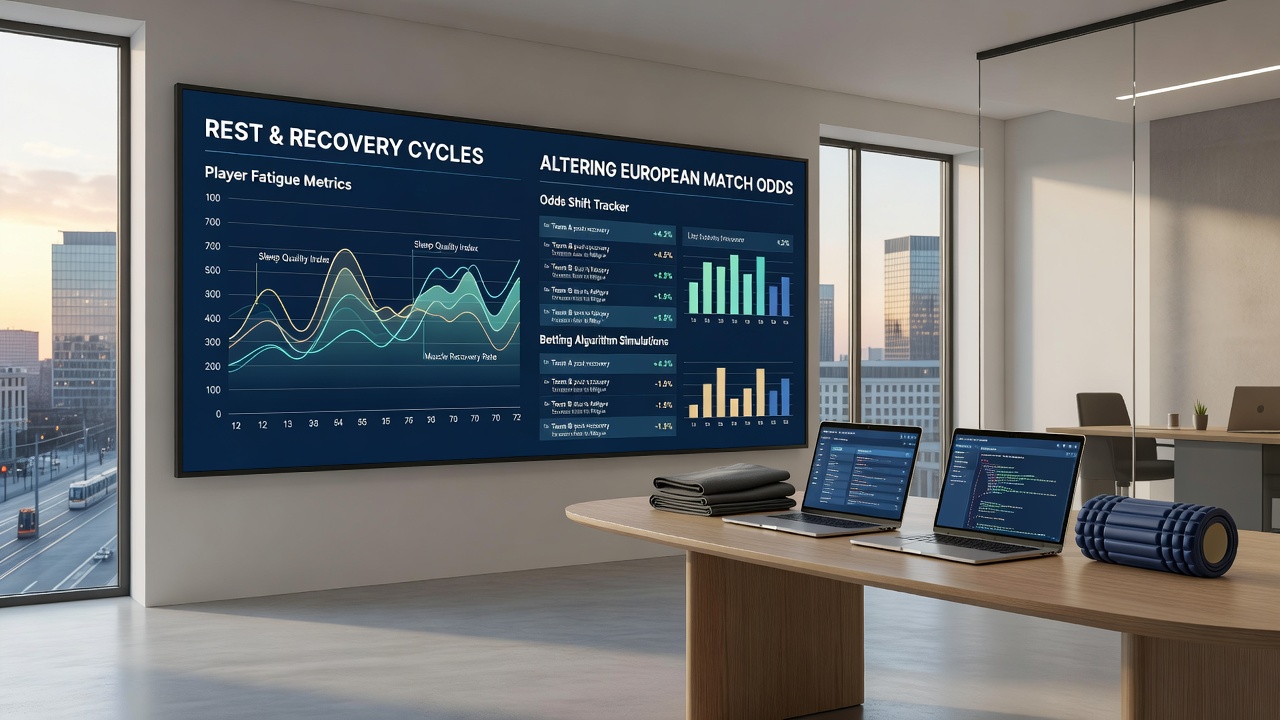
Betting exchanges and traditional operators alike adjust totals and margins once training-ground reports surface, yet the changes remain incremental rather than abrupt. A team listed at 2.10 to win after a full recovery week might drift to 2.25 once analysts flag reduced training intensity, while the opposing underdog shortens accordingly. These movements create value windows for those tracking both fixture lists and physiological updates published by club medical teams.
Champions League group-stage weeks demonstrate the effect most clearly because the midweek slot forces rotation decisions that directly affect weekend domestic pricing. Historical datasets from the past three seasons show that sides resting key midfielders post-European matches concede more shots in the first half of the next league game, prompting over card lines and under goal lines to move in tandem.
Emerging Data Sources Informing Pricing
Academic partnerships between universities and leagues now supply anonymised workload data that feeds into predictive models. A collaborative project coordinated through the European College of Sport Science released updated benchmarks in July 2026 showing that full muscle glycogen restoration requires between 48 and 96 hours depending on match intensity, and those benchmarks have started appearing in oddsmaker briefings.
Because the information circulates through private channels before public disclosure, early line movers gain edges that later bettors must chase. The result is a market where rest-cycle awareness separates consistent performers from those reacting to already-adjusted prices.
Conclusion
Recovery cycles have become an embedded variable within European match pricing, influencing everything from pre-match totals to live in-play adjustments across the continent's major leagues. As August 2026 schedules unfold, the quiet accumulation of rest-related data continues to shape how markets open and move, rewarding those who integrate physiological timelines with traditional form analysis.