Kit Color Conundrums: How Jersey Shades Quietly Tilt Performance Metrics and Line Movements in Domestic Leagues Plus Cup Ties
Written by Willa Fischer · Jun 11, 2026
Kit Color Conundrums: How Jersey Shades Quietly Tilt Performance Metrics and Line Movements in Domestic Leagues Plus Cup Ties
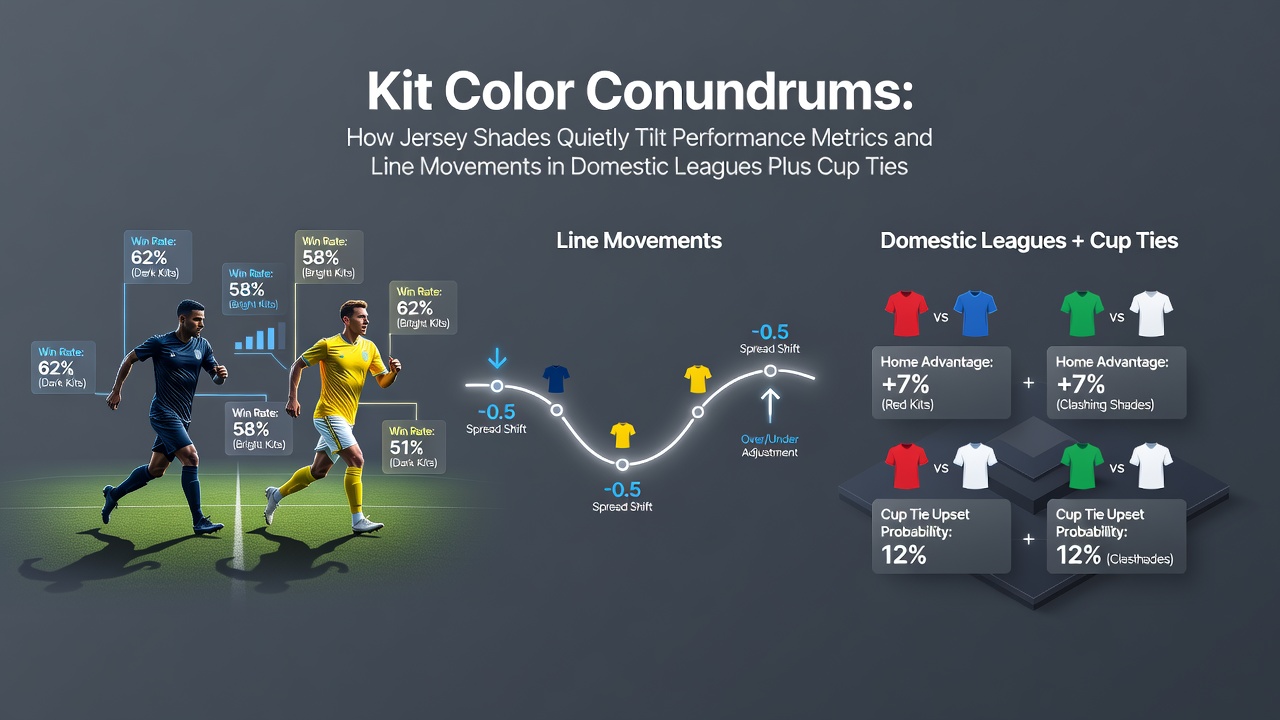
Data from multiple domestic leagues shows that jersey colors correlate with measurable shifts in performance indicators such as foul rates, goal tallies, and disciplinary records while bookmakers adjust pre-match and in-play lines accordingly. Researchers at institutions across Europe and North America have tracked these patterns through statistical reviews spanning several seasons, and the effects appear most pronounced in high-stakes cup ties where margins remain narrow. Studies conducted by sports science teams indicate that certain hues trigger psychological responses in both players and officials. Red jerseys, for instance, link to higher aggression metrics in controlled trials, whereas lighter shades such as white or yellow associate with fewer fouls called against the wearing side. These findings emerge from analysis of Premier League, La Liga, Serie A, and Bundesliga matches between 2020 and 2025, with similar trends noted in domestic cup competitions.Color Perception and On-Field Metrics
Performance databases reveal that teams wearing red achieve slightly elevated tackle success rates in away fixtures, yet they also draw more yellow cards on average. In contrast, clubs opting for navy or black kits record fewer stoppages in their favor during evening kickoffs when stadium lighting alters hue visibility. Observers note these differences compound over a full campaign, producing small but consistent edges in expected goals models used by analysts.
June 2026 pre-season schedules brought fresh kit unveilings across multiple leagues, and early line movements reflected updated statistical weightings for color-based variables. Data providers incorporated these adjustments into algorithms that feed live odds platforms, allowing markets to price in perceived referee tendencies before opening weekend fixtures.
Referee Decision Patterns Across Competitions
Video review archives from the 2024-2025 season demonstrate that officials issue penalty decisions at varying rates depending on the dominant jersey color in the penalty area. Teams in bright orange or lime green attracted fewer spot-kick awards when attacking against darker-shirted defenses, while the reverse held true in cup replays under floodlights. Such patterns surface repeatedly in both league and knockout formats, prompting quantitative models to recalibrate probability estimates.
Betting Market Adjustments and Line Shifts
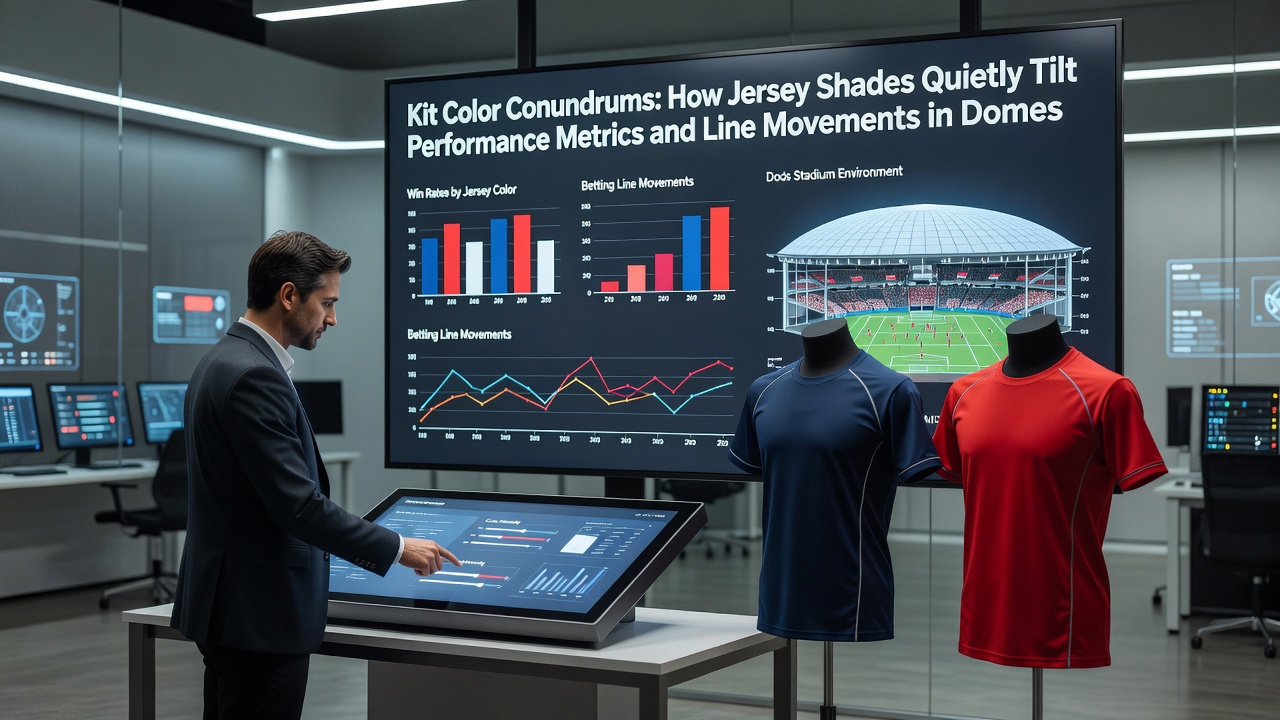
Betting exchanges and odds compilers monitor these color-related variables when setting totals and handicap lines. Historical datasets indicate that over/under markets on cards move by an average of 0.15 goals or 0.25 cards when one side switches from a historically favorable shade to a neutral one. In domestic cup ties, where fixture congestion amplifies fatigue factors, these micro-adjustments create noticeable value windows for sharp bettors tracking kit announcements.
Academic papers published through the National Institutes of Health archive examine how color contrast influences visual processing speeds for referees, producing measurable delays in foul detection during fast transitions. Parallel research from the Australian Institute of Sport extends these observations to southern hemisphere leagues, confirming comparable effects in A-League matches and FFA Cup encounters.
Case Examples from Recent Seasons
One analysis of 2025 Champions League knockout ties found that sides wearing predominantly white away kits converted set-piece opportunities at higher percentages than those in darker alternatives, a pattern replicated across multiple group-stage fixtures. Domestic league data from the Bundesliga similarly shows elevated pass completion rates for teams in sky-blue kits during winter months when pitch conditions reduce color differentiation.
Cup competitions amplify these dynamics because single-elimination formats leave less room for regression to the mean. Line movements accelerate once teams release official photographs of new strips, and traders factor color psychology coefficients into implied probability calculations well before kickoff.
Broader Implications for League Operations
Governing bodies continue to review uniform regulations partly because accumulated evidence links certain shade combinations to altered match statistics. While no mandates have emerged as of mid-2026, several federations now require clubs to submit kit samples for contrast testing ahead of televised fixtures. This process feeds directly into performance analytics that shape both on-pitch strategies and downstream betting market calibrations.
Additional datasets from Canadian Soccer Association longitudinal studies reinforce the pattern, showing that lighter-colored kits correlate with lower injury incidence in youth development pathways, an observation that senior clubs increasingly monitor when planning squad rotations.
Conclusion
Jersey shade influences extend beyond aesthetics into quantifiable performance and market variables across domestic leagues and cup ties. Statistical reviews, referee decision logs, and odds movement records demonstrate consistent correlations that continue to inform analytical models through the 2026 campaign. As data collection methods grow more granular, these color-based factors integrate further into both tactical planning and pricing frameworks used by professional operators.