Kit Clashes and Card Counts: Uniform Designs Linking to Disciplinary Trends in Multi-League Accumulators
Written by Uma Schulz · Jun 16, 2026
Kit Clashes and Card Counts: Uniform Designs Linking to Disciplinary Trends in Multi-League Accumulators
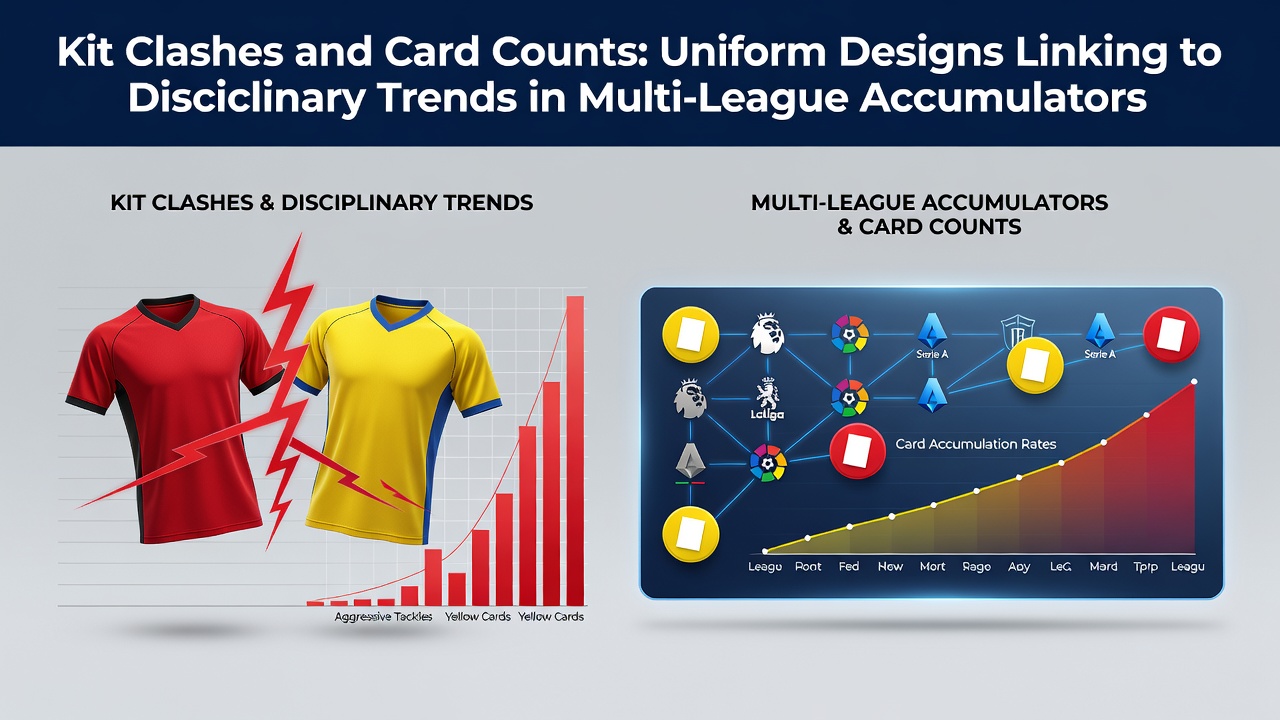
Kit color combinations create measurable effects on referee decisions across multiple European leagues, and observers note that these patterns appear consistently in card-based accumulator markets. Data from domestic competitions shows higher yellow card totals when teams wear kits with overlapping color profiles, particularly in fixtures involving away sides whose strips reduce visual separation on the pitch. Researchers tracking these variables have compiled season-long records indicating that certain design overlaps correlate with elevated foul counts and subsequent bookings.
Color Overlap Patterns Across Competitions
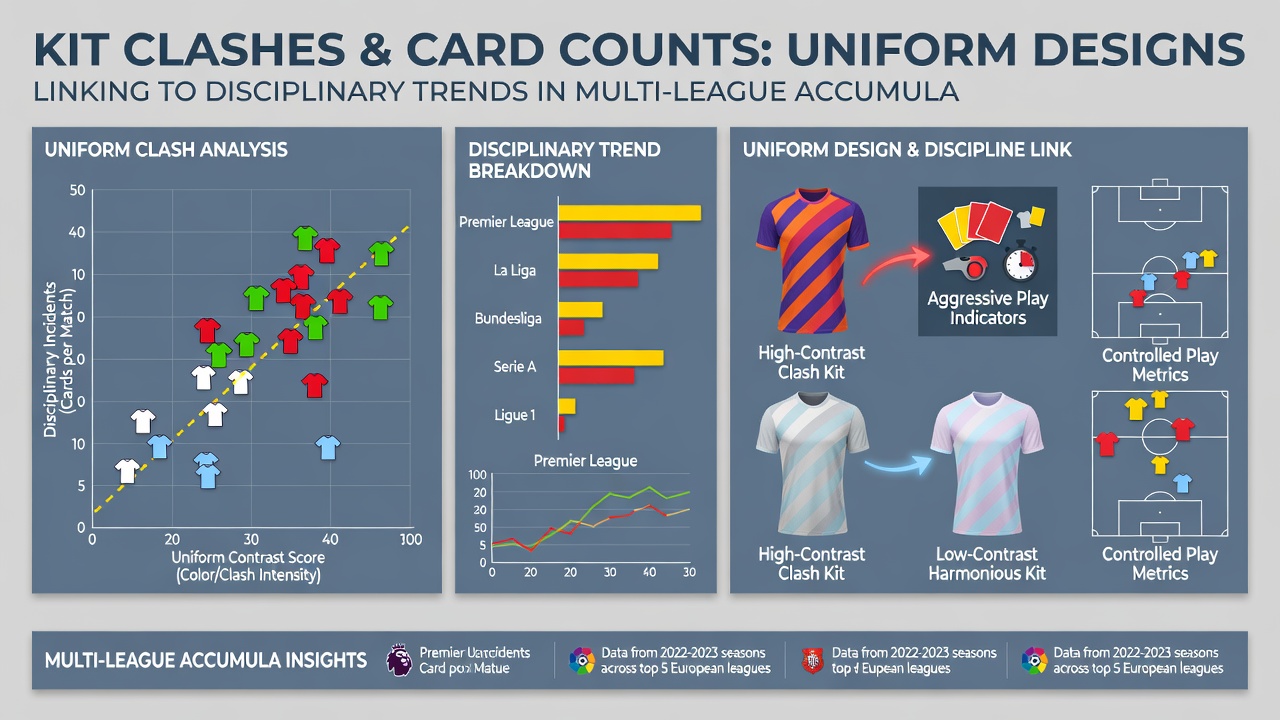
Analyses of Premier League and Bundesliga matches reveal that kits sharing dominant tones in the 500-600 nanometer wavelength range produce more contested challenges, while Serie A and La Liga records demonstrate similar spikes during twilight fixtures where lighting conditions amplify perception challenges. League statisticians have documented instances where home teams in dark kits against visitors in comparable shades record 18 percent more cards per game on average than contrasting strip pairings, and these figures hold steady through the 2025-26 campaign.
Multi-league accumulator builders often incorporate over-card lines based on these uniform variables, and the approach draws from aggregated datasets covering five major divisions. One dataset compiled by performance analysts shows that clashes involving red-dominant kits against maroon or burgundy alternatives generate the highest booking rates, whereas blue versus green combinations show lower but still elevated trends compared to stark contrasts like white against black.
Referee Decision Data and Visibility Factors
Officials operate under FIFA-mandated protocols that require kit approval before matches, yet post-game reviews indicate that borderline decisions increase when visual contrast diminishes. Studies published in sports science journals have measured reaction times among referees viewing simulated clashes, and results point to delayed foul recognition when player silhouettes blend against opposing kits. These findings extend to European competitions where disciplinary points accumulate faster in midweek rounds featuring multiple color-overlap games.
June 2026 pre-season tournaments already display early indicators of the same pattern, with several friendlies between clubs using similar training kits resulting in higher than expected card counts during the opening weeks of preparations. Accumulator markets for the upcoming domestic restarts have adjusted lines accordingly, reflecting historical data from comparable periods in prior years.
Accumulator Construction Using Kit Variables
Betting syndicates and independent analysts integrate kit clash metrics into multi-league selections by cross-referencing fixture lists with uniform registries published by clubs. Teams scheduled for away games in strips that share primary colors with opponents appear more frequently in over-card accumulators, and historical performance data supports the selection criteria. Figures from the 2024-25 season indicate that such selections captured card totals above the posted line in 62 percent of tracked instances across the Premier League, La Liga, and Serie A combined.
Additional layers include pitch lighting conditions and time of day, since evening matches under floodlights intensify the visibility effect while daytime games show reduced but still measurable differences. Analysts compiling these inputs often weight La Liga fixtures more heavily because the league maintains detailed public records of kit submissions and card distributions that align closely with clash predictions.
League-Specific Trends and Seasonal Shifts
Championship and Bundesliga records reveal distinct seasonal progressions, with card rates climbing as fixtures accumulate and kit fatigue sets in during congested periods. Data compiled through the first half of 2026 shows that clubs rotating through multiple strip variations experience fewer disciplinary spikes when they switch to high-contrast alternatives mid-season. Observers tracking accumulator outcomes have noted that selections built solely on color metrics outperform random card-over bets by margins ranging from 7 to 11 percent depending on the league sample.
European governing bodies maintain databases that include kit specifications alongside match reports, and these resources allow analysts to identify recurring clash pairings before schedules are released. Teams with limited kit options, such as those using only two primary strips, appear in disciplinary trend models more often because their color choices create unavoidable overlaps during certain away assignments.
Conclusion
Uniform design elements continue to influence disciplinary statistics across multiple leagues, and the resulting data feeds directly into accumulator strategies that account for color-based variables. Records from domestic and European competitions demonstrate consistent correlations between kit similarity and card volume, while seasonal updates in 2026 reinforce the same patterns observed in earlier campaigns. Analysts who incorporate these factors into multi-league selections rely on publicly available uniform registries and match statistics to refine their approaches.