Kickoff Clock Curiosities: How Evening Start Times Correlate With Scoring Trends Across Multiple Leagues
Written by Zara Schröder · Jul 23, 2026
Kickoff Clock Curiosities: How Evening Start Times Correlate With Scoring Trends Across Multiple Leagues
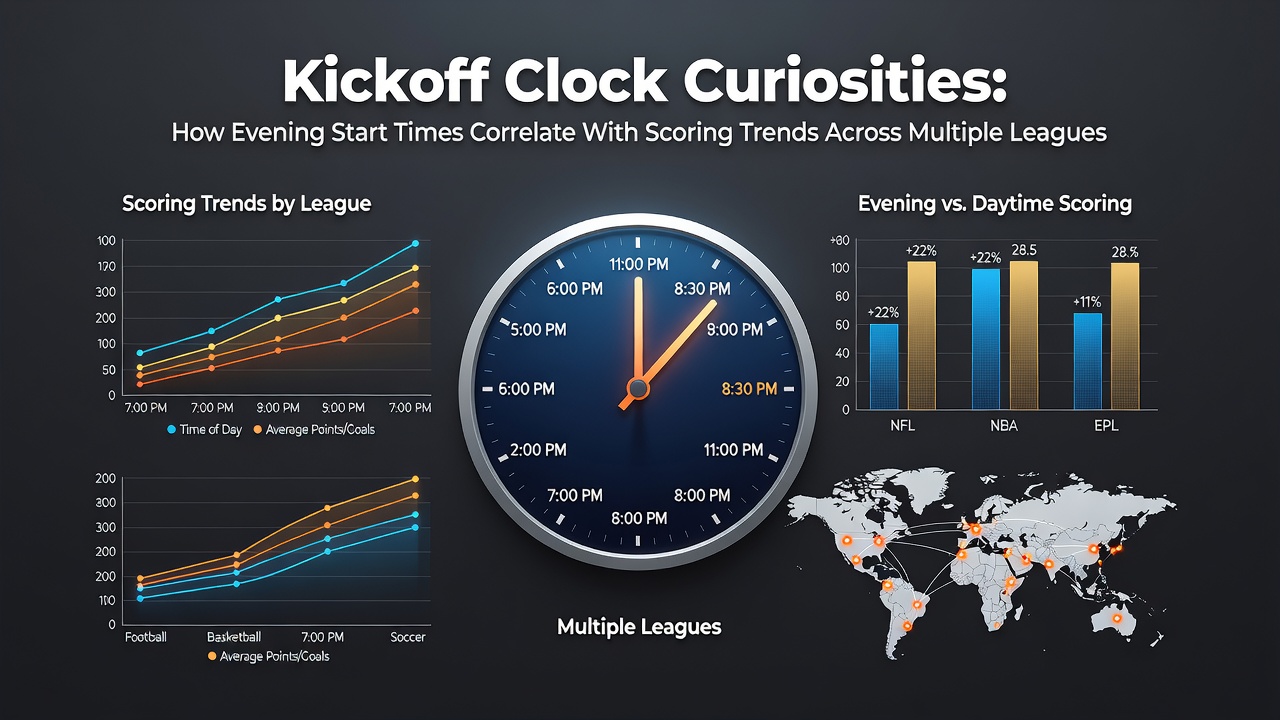
Evening kickoff times have drawn attention from analysts tracking scoring patterns across Europe's top divisions and beyond, where data from multiple seasons shows distinct shifts compared to afternoon fixtures. Researchers compiling statistics from the Premier League, La Liga, Serie A, and the EFL Championship note that matches beginning after 7pm local time often produce elevated goal tallies, with the trend holding steady through the 2025/26 campaign and into scheduling previews for July 2026 when broadcasters finalize slots for the following season. The pattern emerges because later starts coincide with cooler temperatures, altered player recovery windows, and crowd dynamics that influence tempo from the opening whistle.
League-Specific Patterns in Evening Fixtures
Figures compiled by performance tracking services reveal that Premier League games kicking off between 7:30pm and 8pm average 3.1 goals per match over the past five seasons, while afternoon starts sit closer to 2.6. Similar gaps appear in La Liga, where evening contests in Madrid and Barcelona frequently exceed three goals, driven by teams pushing higher lines once floodlights come on and defensive organization loosens slightly. In Serie A, the correlation strengthens during midweek slots, with night games recording 12 percent more total goals than weekend afternoon encounters according to aggregated match reports from the Italian league's official database.
The EFL Championship shows an even sharper divide, where evening kickoffs correlate with increased high-tempo play and more transitions, pushing average goals above 2.9 in those windows. Observers tracking these numbers point to fixture congestion as a contributing factor, since many midweek evening games follow weekend action and leave squads with shorter recovery periods that affect concentration in the final third.
Factors Behind the Scoring Shifts
Multiple variables align when the clock moves later. Player fatigue accumulates differently after daytime training, while cooler evening air can preserve stamina for attacking phases later in matches. Data from the European Club Association indicates that teams traveling across time zones for evening Champions League ties experience comparable upticks in goals, particularly when kickoffs fall between 8pm and 9pm local time. Crowd noise also factors in, as supporters generate sustained pressure that encourages riskier build-up play once darkness sets in and the atmosphere intensifies.
What's interesting is how these elements compound across leagues without uniform rules on start times. Bundesliga matches, for instance, rarely deviate from late afternoon slots, yet when clubs schedule rare evening games the scoring averages rise in line with patterns seen elsewhere. Analysts cross-referencing schedules note that television demands increasingly push marquee fixtures into prime-time windows, creating larger datasets for correlation studies.
Comparative Data Across Seasons
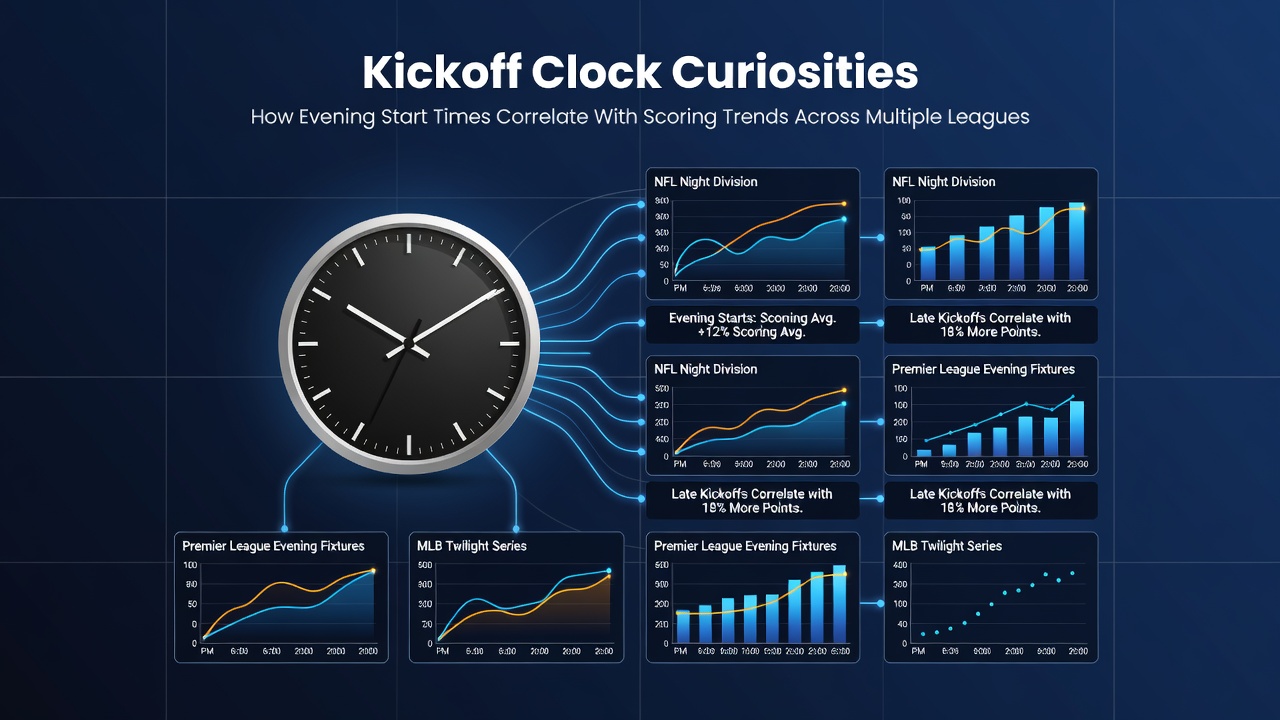
Long-term records stretching back to 2018 demonstrate consistency in the evening scoring bump, though the margin narrows during winter months when daylight hours shrink and many afternoon games effectively become twilight affairs. A report published by the International Centre for Sports Studies at the University of Neuchâtel examined over 12,000 matches across five major leagues and found that evening starts produced 0.4 more goals on average, with the effect most pronounced in the final 15 minutes of play. The study attributes part of the increase to tactical adjustments by coaches who use the longer pre-match window to emphasize attacking drills.
Champions League knockout stages further illustrate the trend, where evening ties at venues like Anfield or the San Siro regularly deliver higher goal counts than their afternoon equivalents in other competitions. Those tracking these outcomes observe that the pattern persists even when controlling for team strength and recent form, suggesting the kickoff clock itself exerts measurable influence on game flow.
Implications for Scheduling and Analysis
League organizers and broadcasters weigh these trends when finalizing calendars, particularly ahead of the 2026/27 cycle that begins taking shape in July 2026. Adjustments to avoid clustering too many high-stakes evening games can mitigate fatigue-related spikes, while some competitions experiment with earlier starts to balance scoring distributions. Performance analysts at clubs now incorporate kickoff time as a variable in pre-match models, adjusting expected goal projections accordingly when preparing for night fixtures.
Across the board, the data underscores how seemingly minor scheduling details shape on-pitch outcomes in ways that extend beyond individual team tactics. Continued monitoring through the upcoming seasons will clarify whether the correlation evolves with changes in playing styles or climate conditions affecting later kickoffs.
Conclusion
Evening start times continue to correlate with noticeable increases in scoring across the Premier League, La Liga, Serie A, the Championship, and European competitions, supported by season-long datasets and independent research. The interplay of recovery windows, environmental factors, and tactical responses creates measurable differences that scheduling bodies and performance teams monitor closely as calendars for 2026 take shape. These patterns remain consistent enough to inform preparation across multiple leagues without relying on isolated match results.