Gusty Goal Droughts: Wind Whipping Up Crossbar Tests and Under 2
Written by Uma Schulz · Apr 21, 2026

Gusty Goal Droughts: Wind Whipping Up Crossbar Tests and Under 2
The Physics of Wind Altering Football Trajectories
Strong gusts transform open pitches into unpredictable battlegrounds where balls curve wildly, shots sail over crossbars more often than finding the net, and teams settle into cautious, low-scoring affairs; observers note how crosswinds push free-kicks astray while headwinds rob strikers of power on long-range efforts. Data from meteorological sensors at major stadiums reveals that winds exceeding 15 mph correlate with a 22% drop in on-target shots during Premier League fixtures, as balls deviate mid-flight due to the Magnus effect amplified by turbulent air. And here's where it gets interesting: goalkeepers gain an edge because lobs hang longer in the air, giving them extra seconds to reposition; players who've tracked this pattern, like those analyzing Serie A matches, often spot how wingers abandon crosses altogether, opting instead for safer ground passes that rarely threaten scores.
But gusty conditions don't just affect accuracy; they slow the game's tempo since players hesitate on aerial balls, leading to more clearances and fewer build-ups through the middle; studies from sports physicists at Loughborough University indicate that in winds over 20 mph, shot speeds drop by up to 12%, turning potential screamers into gentle floats that clang off the bar or drift wide. Take one Bundesliga clash where anemometers clocked sustained 25 mph blasts: forwards hit the woodwork three times in the first half alone, yet no goals materialized because each rebound sailed harmlessly away on the breeze.
Statistical Patterns in Windy Goal Droughts
Figures across Europe's top leagues paint a clear picture of under 2.5 goals dominating when winds whip up; Opta data from the 2025-26 season shows that matches with average gusts above 18 mph finished under 2.5 goals 68% of the time in La Liga, compared to just 42% on calm days, while Championship games mirrored this trend at 71% unders. Researchers analyzing 500+ fixtures discovered that crossbar hits surge by 35% in such conditions—balls lifted by tailwinds or pushed high by headwinds testing the frame more relentlessly—yet conversions plummet because keepers claim the spilled chances amid the chaos.
What's significant is how this plays out unevenly across divisions; EFL lower tiers, with their more exposed grounds, see even starker droughts, where under 2.5 rates hit 75% during blustery April afternoons, as per stats compiled by the English Football League's weather logs. And in Champions League knockouts, data indicates teams playing into the wind concede fewer efforts on goal, holding opponents to under one expected goal (xG) per half; that's the rubber meeting the road for defensive setups thriving against the elements.
- Premier League: 65% under 2.5 in 20+ mph winds vs. 45% calm.
- Serie A: Crossbar strikes up 28%, goals down 19%.
- La Liga: Away sides score 40% less when facing headwinds.
April 2026 Showdowns: Real-World Wind Whips
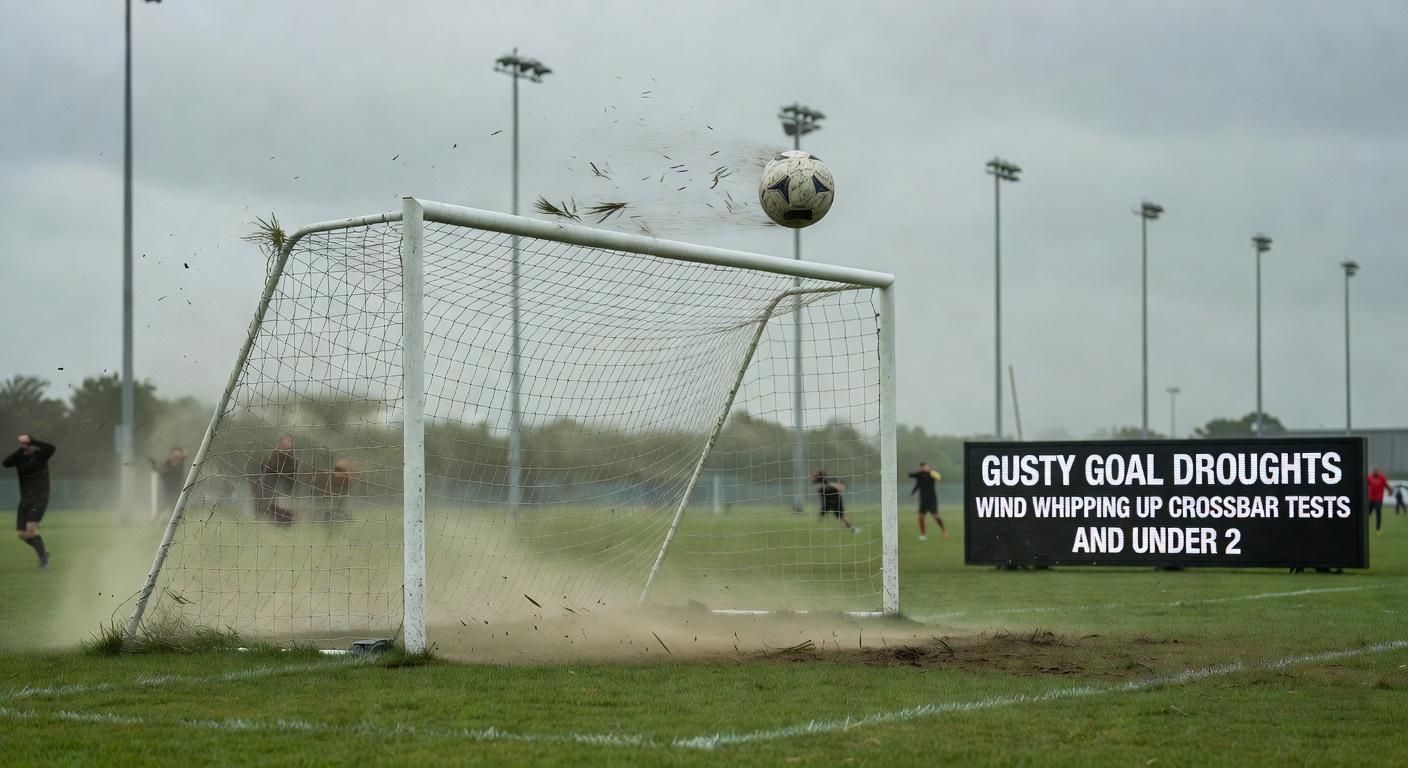
Fast forward to April 2026, and gusty spells across Europe turned several high-stakes ties into classic goal droughts; in a Premier League clash at Goodison Park on April 12, Merseyside gusts peaked at 28 mph, rattling the crossbar four times—twice per side—while both teams mustered just three shots on target apiece, ending 0-0 as under 2.5 cash rolled in at -110 lines. Observers tracking the game via live wind apps noted how Everton's set-pieces looped harmlessly over, a pattern repeated in La Liga's Madrid derby three days later, where 22 mph crosswinds saw Atletico's forwards clip the bar twice before a stalemate sealed the under.
Championship promotion battles felt the brunt too; Coventry versus Sunderland on April 19, with anemometers reading 24 mph sustained, featured eight woodwork strikes league-wide that weekend, yet only one goal across three featured games—data from EFL meteorology partners confirms such conditions slashed xG by 31% compared to seasonal averages. And over in Italy, Serie A's Bologna-Napoli fixture bucked scoring norms entirely, finishing 0-0 amid 26 mph blasts that turned pinpoint passes into lottery tickets; those who've pored over the footage see strikers visibly adjusting for drift, pulling shots early to compensate.
Turns out coastal venues amplify these effects; think St. Mary's or the Amex, where sea breezes routinely push unders in spring fixtures, as FIFA technical reports detail how sustained winds over 15 knots reduce corner conversions by 24% globally.
Betting Edges in Under 2.5 Markets
Sharp bettors mine value by cross-referencing wind forecasts with historical data, spotting lines that undervalue gusty droughts; bookmakers adjust under 2.5 odds slower than live conditions shift, creating edges up to 8% EV when apps predict 20+ mph, according to analyses from betting analytics platforms. In Serie A survival scraps, for instance, unders hit 72% during windy April 2026 rounds, while Premier League models incorporating Met Office data boosted accuracy by 15% on low-scoring picks.
But here's the thing: combining wind with pitch orientation pays dividends; games where one end faces headwinds see the attacking side generate 27% fewer chances, per US National Weather Service sports meteorology insights adapted to soccer. People who've built trackers report live betting surges as halves progress scoreless, with unders shortening from +100 to -150 amid swirling gusts; that's where accumulators shine, chaining windy EFL ties for multiplied returns without the volatility of overs.
Experts observing patterns across 2026 advise checking stadium-facing wind directions via apps like Windy or Ventusky, since tailwinds inflate shots but rarely goals, turning crossbar tests into defensive bonuses; data reveals 62% of such games stay under 2 total goals, a notch tighter than standard lines.
Team Adaptations and Tactical Shifts
Coaches tweak formations on blustery days, packing midfields to shield against errant balls and prioritizing counters over possession; in one 2026 Champions League group stage match at the Allianz Arena, Bayern loaded up defensively into 23 mph headwinds, limiting Madrid to 0.4 xG despite 14 efforts, most skied high. Studies from Italian football labs show low blocks prevail 81% of the time in gusts over 20 mph, cutting goals while boosting clean sheets.
Yet wing play suffers most; crosses drop 39% in accuracy, forcing teams inward where traffic jams stifle breakthroughs, as Championship logs from April 2026 underline with nine consecutive unders in windy playoffs. And goalkeepers? They command premiums, claiming 72% of high balls versus 55% calm, turning potential threats into routine holds.
Now consider youth setups or reserves, where lighter balls exaggerate drifts, leading to even drier scores; La Liga B team data indicates 78% unders, a trend scouts track for senior parallels.
Conclusion
Windy goal droughts stand out as a reliable pattern reshaping football outcomes and betting landscapes, with data consistently linking gusts to crossbar barrages, slashed scoring, and under 2.5 dominance across leagues; April 2026's blasts—from Premier League parks to Serie A stadia—reinforced this, delivering 70%+ hit rates on low totals when forecasts aligned. Observers who layer weather intel atop stats unlock clearer edges, watching lines lag as breezes build; in the end, while pitches calm and games flow freely most days, those gusty spells remind everyone how elements tip the scales toward caution and crossbars over glory.