Football Betting Odds: Formats, Probabilities, and Shifts in the 2026 Season
Written by Avery Bennett · Apr 2, 2026
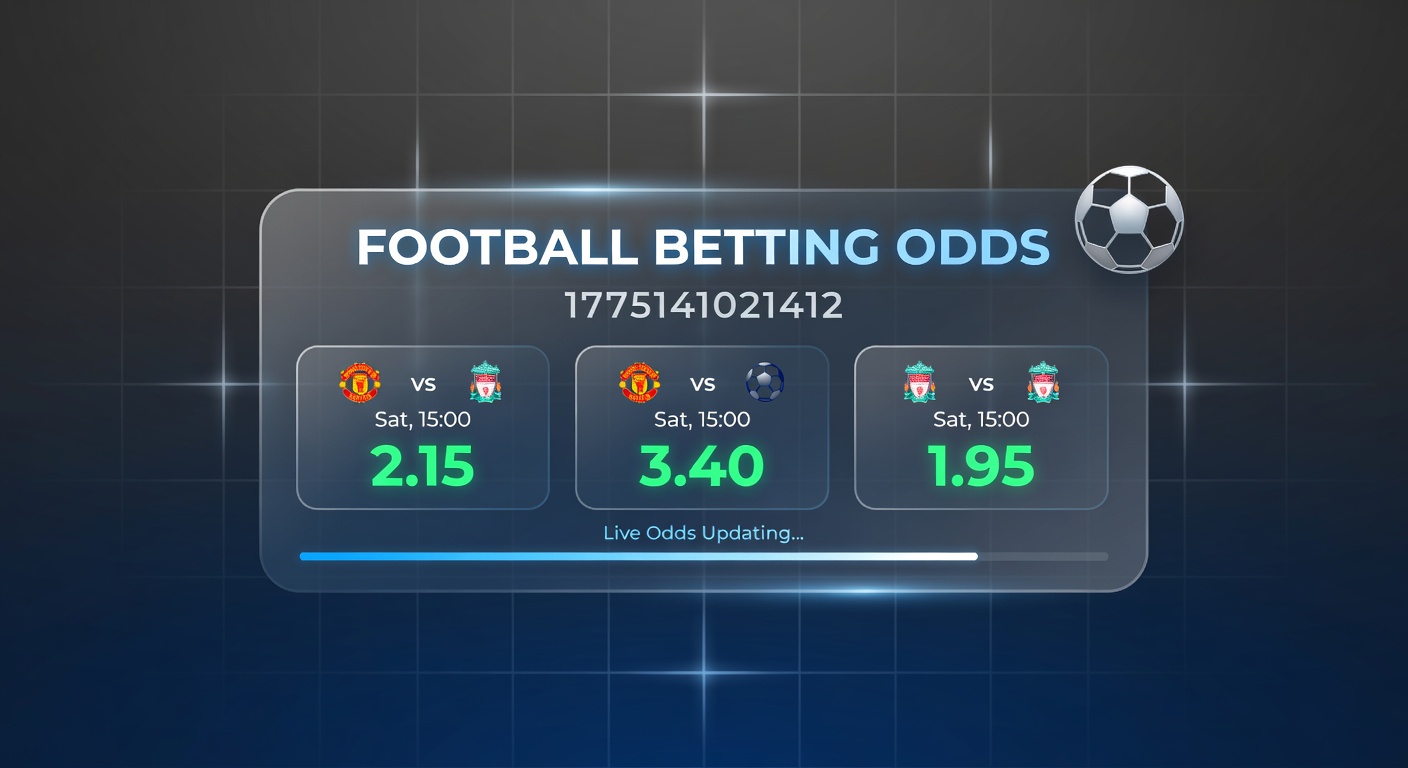
Football Betting Odds: Formats, Probabilities, and Shifts in the 2026 Season
Core Formats Shaping Football Bets
Bookmakers present football betting odds in three primary formats—fractional, decimal, and American moneyline—each conveying the same underlying probabilities yet tailored to regional preferences; fractional odds, popular in the UK and Ireland, express potential profit relative to stake, so 5/1 means a winning £1 bet returns £6 total (stake plus £5 profit), while decimal odds, dominant across Europe and Australia, multiply the stake by the quoted figure for total payout, turning that same 5/1 into 6.00. American moneyline odds flip the script for favorites and underdogs; negative signs like -150 indicate the amount needed to win $100 (bet $150 to gain $100), whereas positives such as +200 show profit on a $100 stake ($200 return), and data from major platforms reveals these formats coexist on sites serving global audiences, allowing bettors to switch seamlessly during live Premier League or Champions League action.
Turns out, fractional odds hold strong in British football markets because they echo horse racing traditions, yet decimal formats gain traction online since they simplify mental math—stake times decimal equals total return—and figures from industry trackers show over 70% of European wagers now use decimals. Observers note how these formats influence quick decisions; in a tight Serie A derby, 2.50 decimal odds might look more inviting than 3/2 fractional, even though both imply identical value.
Converting Between Formats for Cross-Market Plays
- Fractional to decimal: Add 1 to the fraction (e.g., 1/2 becomes 1.50).
- Decimal to moneyline: If above 2.00, subtract 1 and multiply by 100 for positive (+150 for 2.50); below 2.00, divide 100 by (decimal minus 1) for negative.
- These conversions, handled instantly by apps, let punters spot discrepancies across books, especially as lines move pre-kickoff.
Implied Probabilities Hidden in the Numbers
Every set of football odds carries an implied probability—the bookmaker's calculated chance of an outcome—derived by dividing 1 by decimal odds (or using fraction equivalents), so 2.00 odds suggest 50% likelihood, yet bookmakers build in a margin called vigorish or juice, typically 5-10%, ensuring total implied probabilities across outcomes exceed 100%; for a two-way market like over/under 2.5 goals, if over sits at 1.95 (51.28%) and under at 1.95, the overround hits 102.56%, padding the house edge. Research from the American Gaming Association indicates this margin swells to 8-12% in high-volume leagues like the Premier League, where billions flow annually.
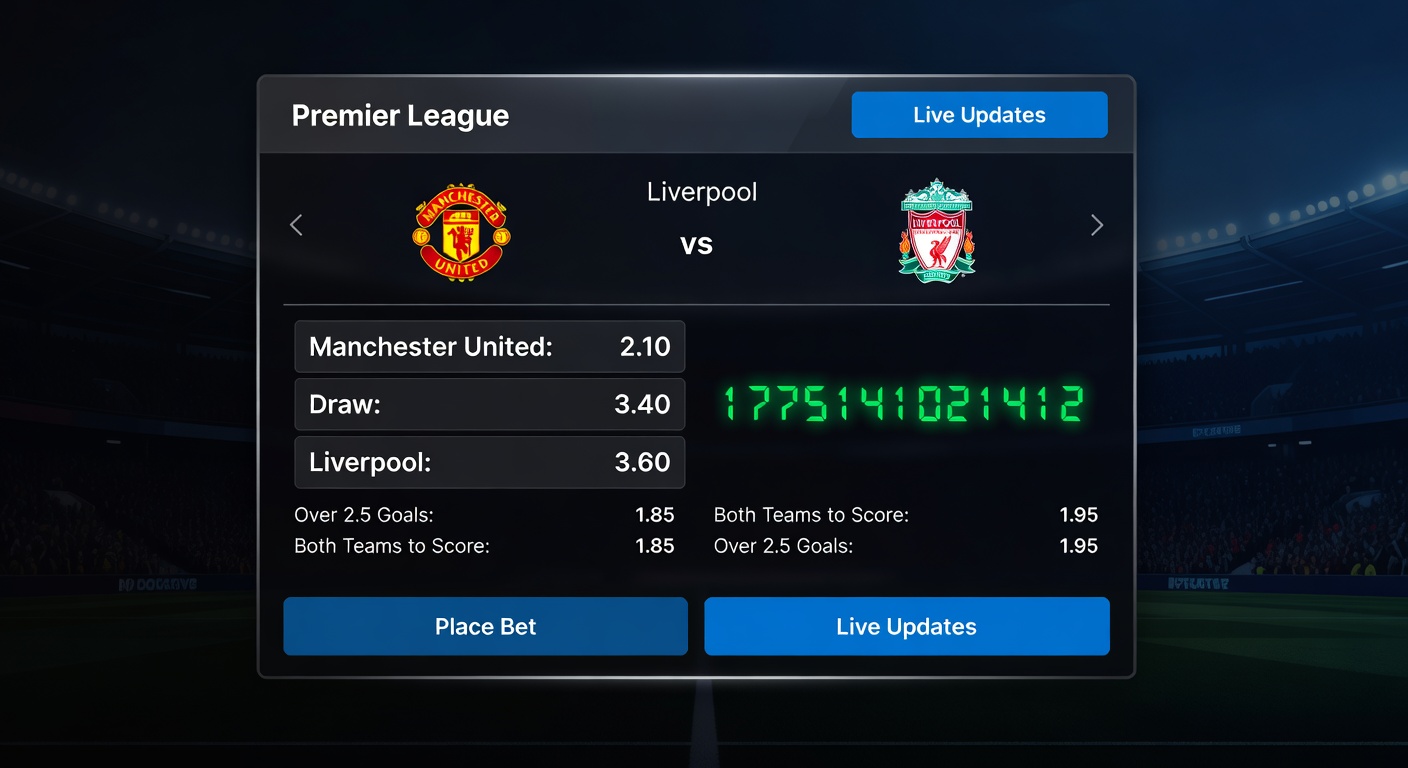
What's interesting here lies in multi-outcome markets such as three-way match results (home/draw/away); a typical set might show 2.10 home (47.6%), 3.40 draw (29.4%), and 3.60 away (27.8%), summing to 104.8% overround, and experts who crunch these numbers often uncover value when real probabilities, gauged from stats models, diverge. People who've studied historical data discover that draws, undervalued at longer odds, deliver positive returns long-term in leagues like Ligue 1.
And in April 2026, with Manchester City's Premier League title push faltering amid injury woes—odds drifting from 1.40 to 2.10 evens per major books—the implied probabilities shifted dramatically, dropping City's win chance from 71% to 48%, while Arsenal's surged, highlighting how form streaks recalibrate these figures overnight.
Line Movements and What Drives Them
Football odds rarely stand still; they dance with news, bets, and algorithms, starting from opening lines set by bookmakers' traders using vast datasets on form, head-to-heads, expected goals (xG), and even weather forecasts, then adjusting as public money pours in—favorites shorten if heavily backed, creating value on underdogs. Data indicates sharp movements follow key triggers like lineup announcements; when Real Madrid rested Vinicius Jr. for a Champions League quarterfinal in early April 2026, their odds lengthened from 1.80 to 2.40 within hours, per aggregated trackers.
But here's the thing: algorithmic pricing, powered by machine learning, now dominates, incorporating live data feeds; a study by researchers at the University of Sydney found these systems react 30% faster to momentum shifts than human traders, evident in Bundesliga matches where halftime leads flip away win odds from +300 to -150 mid-game. Semicolons connect these dynamics because while public bettors chase favorites, sharpening the lines, professionals exploit the overreactions, and that's where edges emerge in EFL Championship derbies.
Asian Handicaps: Quarter-Line Nuances in Odds
Popular for eliminating draws, Asian handicap odds use half and quarter goals for precision; a -0.25 line on Liverpool versus Everton at 1.95 implies splitting the stake between -0 (draw no bet) and -0.5 (full handicap), returning full if they win by two, half if by one, voiding half on a draw. Figures reveal these markets carry lower margins (around 4%), drawing volume in Asia-Pacific leagues, and as of April 2026, Barcelona's -1.0 line versus Atletico held steady at 2.10 despite squad rotation rumors.
Over/Under and Prop Bets: Probability Layers
Beyond match results, total goals markets thrive on statistical models; bookmakers peg lines at 2.5 for most Premier League games because data shows 52% go over historically, yet high-scoring spells—like Bayern Munich's April 2026 Bundesliga run averaging 3.8 goals—push lines to 3.5, with overs at 2.20 implying 45% chance. Prop bets layer further; anytime goalscorer odds for Haaland at 1.50 carry 66% implied probability, adjusted for opponent defense ratings, and observers track how these correlate with team shots on target.
Now, live betting amplifies this; odds refresh every 10-15 seconds, turning a 0-0 stalemate at 60 minutes into 20% over 0.5 goals probability, and Australian regulatory reports from the Queensland Office of Liquor and Gaming Regulation highlight how such volatility spiked trading volumes 40% during 2025 World Cup qualifiers. Those who've analyzed thousands of in-play shifts notice patterns: trailing teams boost goal props by 25% on average.
Take one La Liga case from last weekend in April 2026; Girona leading Sevilla 1-0 saw next goal odds flip from 2.40 home to 1.80 away after a red card, exemplifying how ejections cascade through props.
Global Regulatory Impacts on Odds Availability
Odds presentation and availability vary by jurisdiction; in the US, post-PASPA repeal, state-by-state legalization birthed moneyline-heavy markets with props tailored to NFL crossovers, while EU frameworks emphasize responsible limits, influencing decimal dominance. Industry data points to consolidated odds feeds standardizing lines across borders, yet local taxes—like Brazil's 12% levy—lengthen payouts slightly, and experts observe tighter margins in competitive Scandinavian markets.
It's noteworthy that as Serie A playoffs heat up this April 2026, Italian books offer split lines (e.g., 2.5/3 goals) absent elsewhere, catering to tactical low-scorers like Inter versus AC Milan.
Key Takeaways on Navigating Odds
Football betting odds boil down to probabilities laced with bookmaker edges, shifting via data deluges and human elements; understanding formats unlocks comparisons, implied probs reveal value gaps, and tracking movements spots opportunities, as seen in the Premier League's nail-biting April 2026 finale where Liverpool's odds yo-yoed from 5.00 to 3.50 amid fixture chaos. Researchers emphasize comparing books, since discrepancies persist; one platform might offer 2.10 on an accumulator leg where another lags at 2.00, compounding edges over seasons.
Ultimately, those who dissect these layers—formats intertwined with real-time influences—navigate markets more astutely, whether chasing Serie A corners props or Champions League handicaps, and with global volumes projected to hit $200 billion by 2027 per trade estimates, the landscape keeps evolving.