Following the Crowd: Public Money's Influence on Live Odds During Premier League Weekends
Written by Uma Schulz · Jul 21, 2026
Following the Crowd: Public Money's Influence on Live Odds During Premier League Weekends
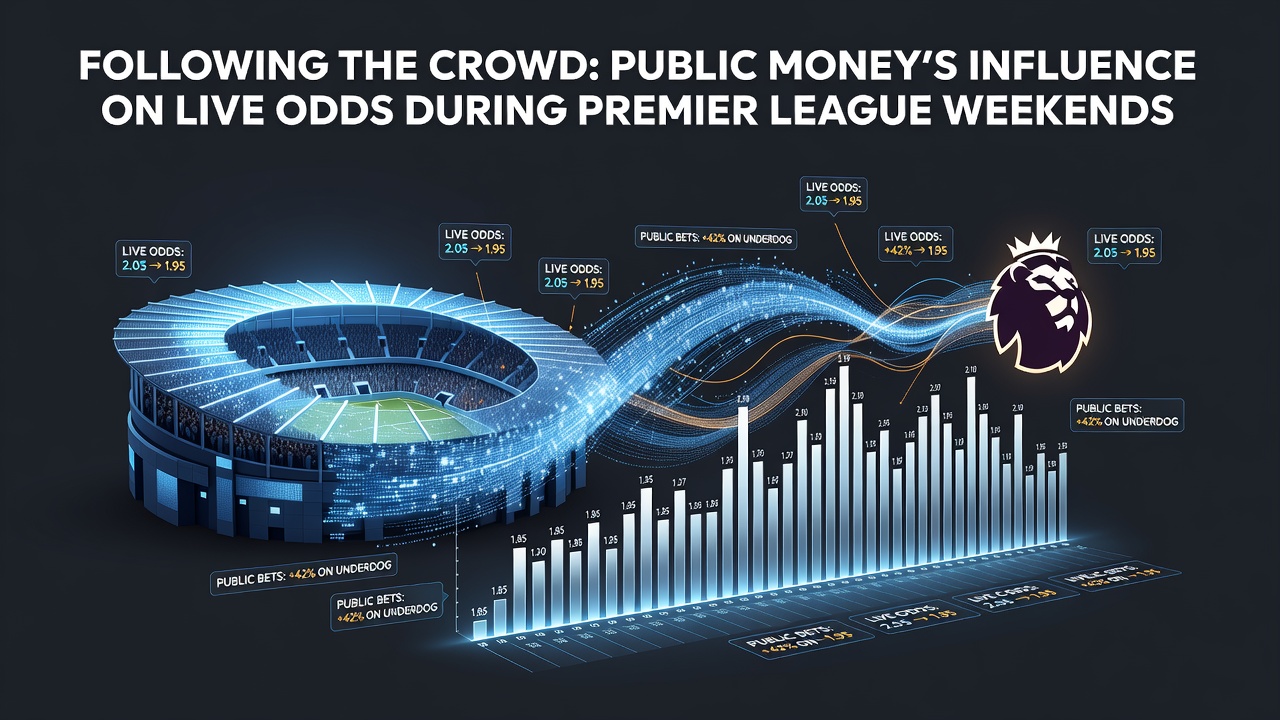
Public betting patterns exert considerable pressure on live odds throughout Premier League weekends as large volumes of wagers from recreational bettors converge on popular selections. Data indicates these flows often trigger rapid line adjustments that differ from earlier pre-match markets. Observers note the weekend schedule amplifies this effect because multiple high-profile fixtures run simultaneously and attract widespread attention across broadcast and digital platforms.
Bookmakers monitor incoming stakes closely and respond by shifting prices to balance their exposure. When public money concentrates on one side of a market the odds typically shorten in that direction while lengthening on the opposite outcome. This dynamic unfolds in real time during matches where momentum shifts can coincide with fresh waves of bets. Researchers have documented similar movements across several European leagues yet the Premier League's global audience produces distinctive volume spikes on Saturday and Sunday afternoons.
Market Movement Mechanics During Peak Fixtures
Live odds respond to a combination of on-field events and betting activity. A goal or red card immediately alters probabilities yet subsequent public reaction can magnify or dampen the adjustment. Studies from academic institutions reveal that recreational bettors tend to chase recent scoring bursts which accelerates price changes beyond what the raw event alone would justify. In contrast sharp professional accounts often wait for these overreactions before entering opposing positions.
During the 2025-26 campaign analysts tracked several instances where early goals in afternoon kickoffs produced outsized line moves once social media highlights circulated. Those who've examined timestamped betting data observe that the largest adjustments frequently occur within ten minutes of a goal when casual viewers place wagers through mobile applications. The resulting imbalance prompts operators to tighten limits or widen spreads until equilibrium returns.
Weekend Volume Patterns and Timing Factors
Premier League weekends generate elevated handle compared with midweek rounds because fixture congestion and television coverage draw broader participation. Figures reveal Saturday 15:00 and 17:30 slots consistently post the highest transaction counts while Sunday evening games attract late surges once earlier results become known. Those patterns create feedback loops in which early matches influence odds on later ones through correlated betting interest.
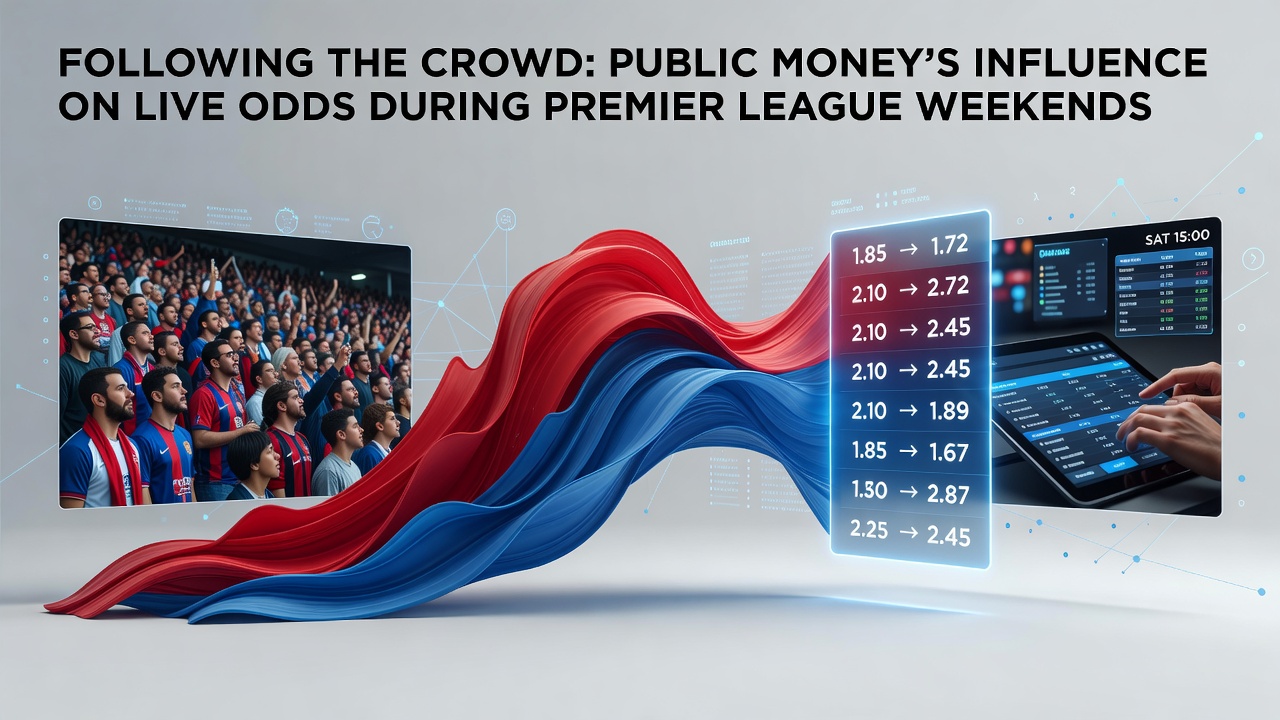
July 2026 preparations for the upcoming campaign include renewed focus on these timing dynamics as operators refine automated pricing models. Historical records show that public money tends to cluster around teams with strong recent form or high media profiles regardless of underlying statistical indicators. Consequently live markets can deviate from expected value ranges until professional layers step in to correct the imbalance.
External Data Sources Informing Adjustments
Industry reports compiled by the Nevada Gaming Control Board highlight how aggregate recreational flows across major sportsbooks correlate with line volatility in soccer markets. Similar analyses from the Australian Institute of Criminology examine regional differences in bettor behavior and note that high-visibility leagues such as the Premier League experience pronounced weekend effects. These datasets allow pricing teams to anticipate when public pressure will peak and to calibrate risk thresholds accordingly.
One documented case during the 2025-26 season involved a mid-table clash where an early penalty triggered a 40 percent surge in stakes on the home side within eight minutes. Operators widened the spread on the away team and lowered maximum stakes before the half-time interval. Subsequent research indicated the move aligned with broader patterns observed across multiple betting platforms rather than isolated operator decisions.
Implications for Accumulator and Live Markets
Accumulator builders frequently incorporate live legs that become available once matches progress. Public money can inflate prices on popular combinations and create temporary value on less favored outcomes. Data shows these windows appear most often during the 60-to-75 minute period when many fixtures reach decisive stages yet recreational interest remains elevated. Operators respond by adjusting related markets across concurrent games to maintain overall book balance.
Those monitoring cross-market correlations note that strong public support for one result sometimes influences pricing on total goals or card counts within the same fixture. The interconnected nature of weekend schedules means a single high-volume match can ripple through multiple lines on other grounds. Academic reviews continue to quantify these spillover effects using granular timestamp data collected from regulated operators.
Conclusion
Public money shapes live Premier League odds through concentrated weekend betting activity that prompts rapid price adjustments. Evidence from regulatory and academic sources confirms the pattern repeats across seasons with volume spikes coinciding with broadcast peaks and social media amplification. As the 2026-27 campaign nears operators continue refining models that account for these predictable recreational flows while professional layers seek opportunities created by temporary imbalances.