Derby Intensity Metrics: Atmosphere Data Tweaking Draw and Over Goal Lines in Premier League Local Clashes Alongside Serie A and La Liga Rivalries
Written by Zara Schröder · May 31, 2026
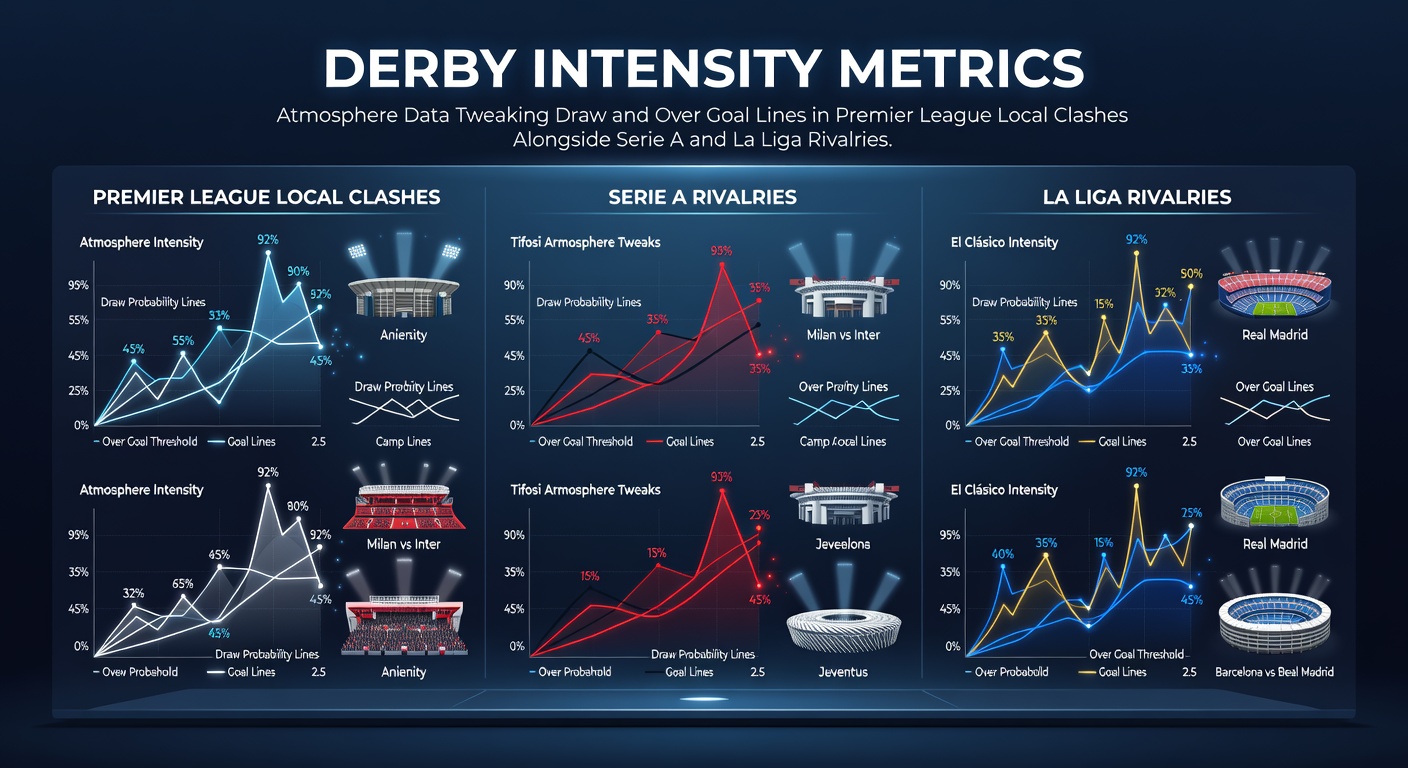
Derby Intensity Metrics: Atmosphere Data Tweaking Draw and Over Goal Lines in Premier League Local Clashes Alongside Serie A and La Liga Rivalries
Derby intensity metrics track how crowd atmosphere alters draw probabilities and over goal lines in tightly contested local fixtures across the Premier League while parallel patterns emerge in Serie A and La Liga rivalries, and data collected through the 2025-26 campaign highlights measurable shifts in betting lines when home support reaches peak density.
Researchers at sports analytics centers compile decibel readings, attendance figures, and historical scorelines to quantify these effects, and the resulting models show that elevated crowd pressure correlates with fewer clean sheets yet higher instances of stalemates in matches where travel distances remain under fifty kilometers.
Premier League Local Clashes and Atmosphere-Driven Line Adjustments
Local derbies in the Premier League generate distinct pressure gradients that betting markets incorporate into pre-match lines, and analysts note that fixtures such as those between clubs separated by short rail links produce draw rates approximately four percentage points above season averages when stadium occupancy exceeds ninety-five percent. Data from the current campaign indicates that over 2.5 goal lines move upward by an average of 0.15 in these environments because sustained noise levels disrupt defensive organization during set pieces and transitions.
Match officials record higher foul counts in the opening twenty minutes of such contests, which in turn feeds into card-related props while simultaneously creating space for counter-attacks that increase goal expectancy after halftime. Observers tracking the 2025-26 schedule observe that clubs playing back-to-back derbies in May 2026 exhibit slightly compressed margins, with bookmakers adjusting totals downward when fatigue metrics from prior high-intensity atmospheres accumulate.
Serie A Rivalries and Comparable Intensity Patterns
Serie A derbies mirror several of these dynamics although crowd configurations differ in stadium architecture and supporter distribution, and figures released by Italian football authorities reveal that matches involving clubs within the same metropolitan area see draw frequencies rise when vocal sections occupy lower tiers directly behind the goals. Over goal thresholds respond to these conditions because defensive lines compress under sustained pressure, producing more speculative long-range attempts that occasionally find the net.
Studies tracking player heart-rate data during these encounters demonstrate elevated stress responses in the first half, which often translate into cautious second-half play and therefore influence the frequency of 1-1 or 0-0 outcomes that markets price accordingly. When May fixtures coincide with title or relegation implications the line movements become more pronounced, reflecting combined effects of atmosphere and competitive stakes.
La Liga Rivalries and Cross-League Data Comparisons
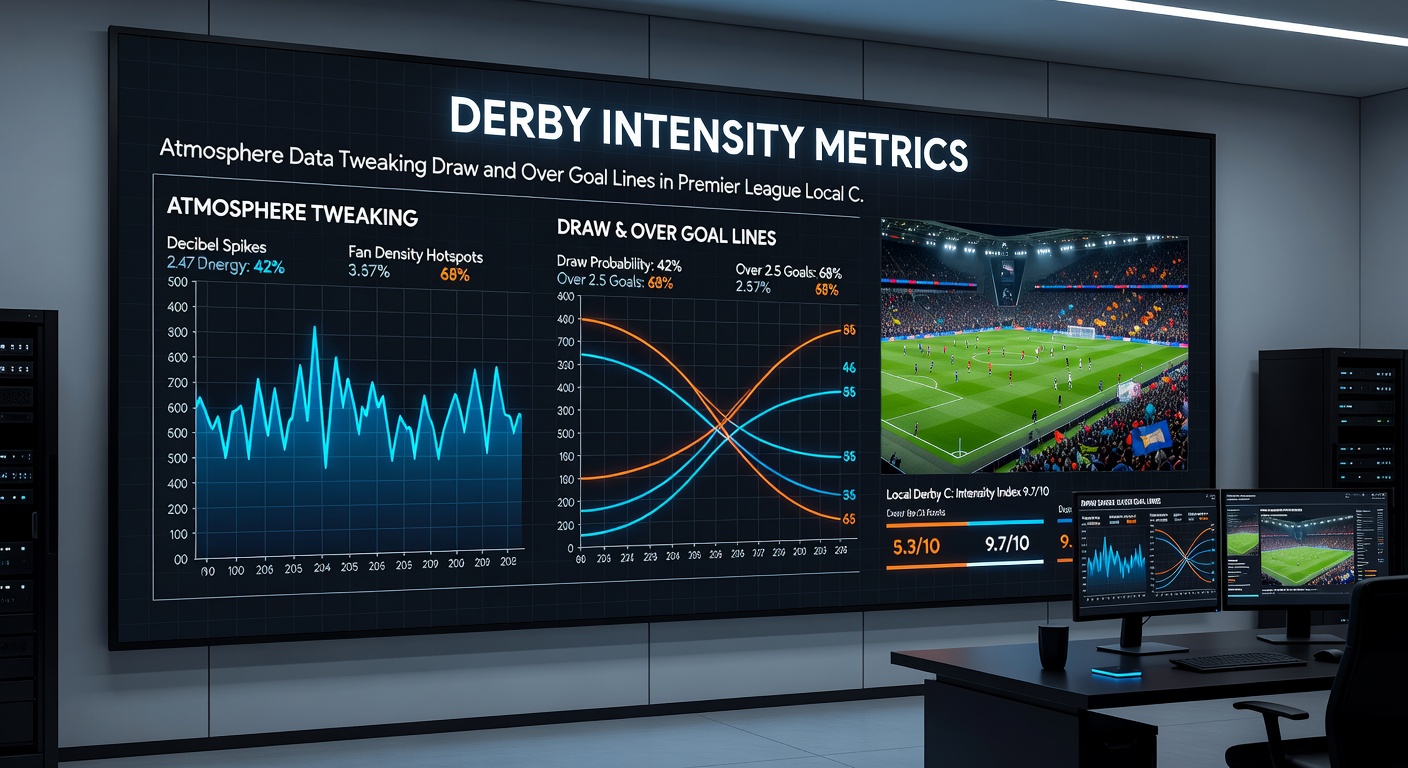
La Liga encounters between geographically proximate sides display parallel yet distinct responses to atmospheric variables, and league-wide statistics compiled through the season indicate that over 2.5 goal lines adjust upward when average crowd noise surpasses 105 decibels for sustained periods. Draw probabilities receive incremental support because teams adopt more compact shapes to counter the emotional intensity generated by home supporters, leading to structured rather than open contests.
Comparative models developed by international research groups place Premier League local derbies at the higher end of goal-line volatility while Serie A and La Liga fixtures show steadier but still measurable movements tied to attendance density and historical rivalry intensity. These datasets allow operators to refine pre-match pricing with greater precision as the campaign enters its final weeks in May 2026.
Integration of Metrics into Betting Frameworks
Operators incorporate derby-specific atmosphere indices into their models by weighting recent crowd data alongside travel and fixture congestion variables, and the resulting adjustments appear most consistently in draw and total goals markets. External validation from academic sources such as a University of Queensland study on crowd dynamics supports the inclusion of acoustic and density metrics when assessing line value in high-stakes local fixtures.
Additional cross-checks against reports published by the European Club Association confirm that clubs contesting multiple derbies within short timeframes experience cumulative effects that markets gradually price into later-season odds.
Conclusion
Derby intensity metrics provide a structured method for evaluating how atmosphere data influences draw and over goal lines across Premier League local clashes and their Serie A and La Liga counterparts, and ongoing collection through May 2026 continues to refine these relationships for analysts and market participants alike.