Bench Timing Tactics: Driving Late Advantages in European Cup Competitions and Domestic Promotion Fights
Written by Uma Schulz · Jun 25, 2026
Bench Timing Tactics: Driving Late Advantages in European Cup Competitions and Domestic Promotion Fights
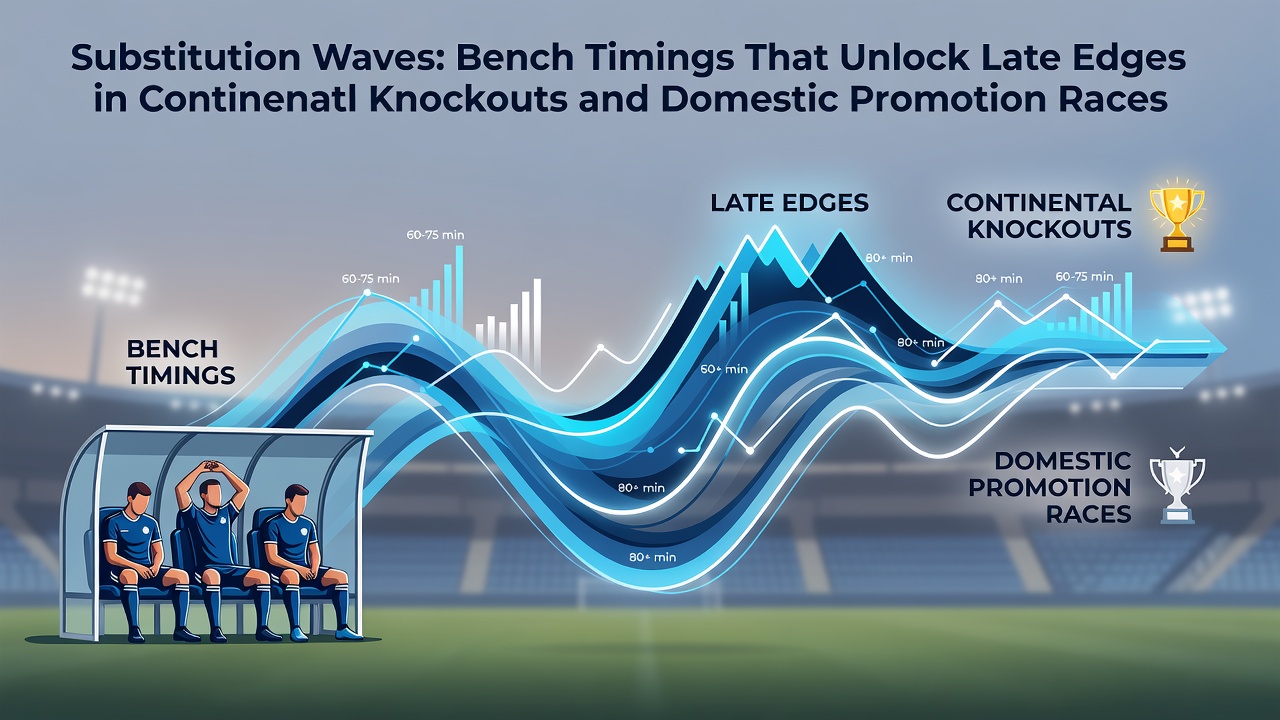
Substitution patterns have evolved into structured tactical tools across elite competitions, with data from UEFA technical reports showing that the timing of changes often correlates with shifts in match control during the final twenty minutes. Teams in continental knockout ties frequently adjust personnel between the 60th and 75th minutes to exploit fatigue patterns, while domestic promotion races in leagues such as the EFL Championship and Bundesliga 2 reveal similar approaches that target late momentum swings.
Analysts tracking match events across multiple seasons note that squads introducing fresh attackers or midfield runners after the hour mark record measurable increases in chance creation metrics. These adjustments align with physiological studies indicating that player output declines noticeably past the 65-minute threshold, creating windows where rested substitutes can influence proceedings.
Patterns Observed in Knockout Contexts
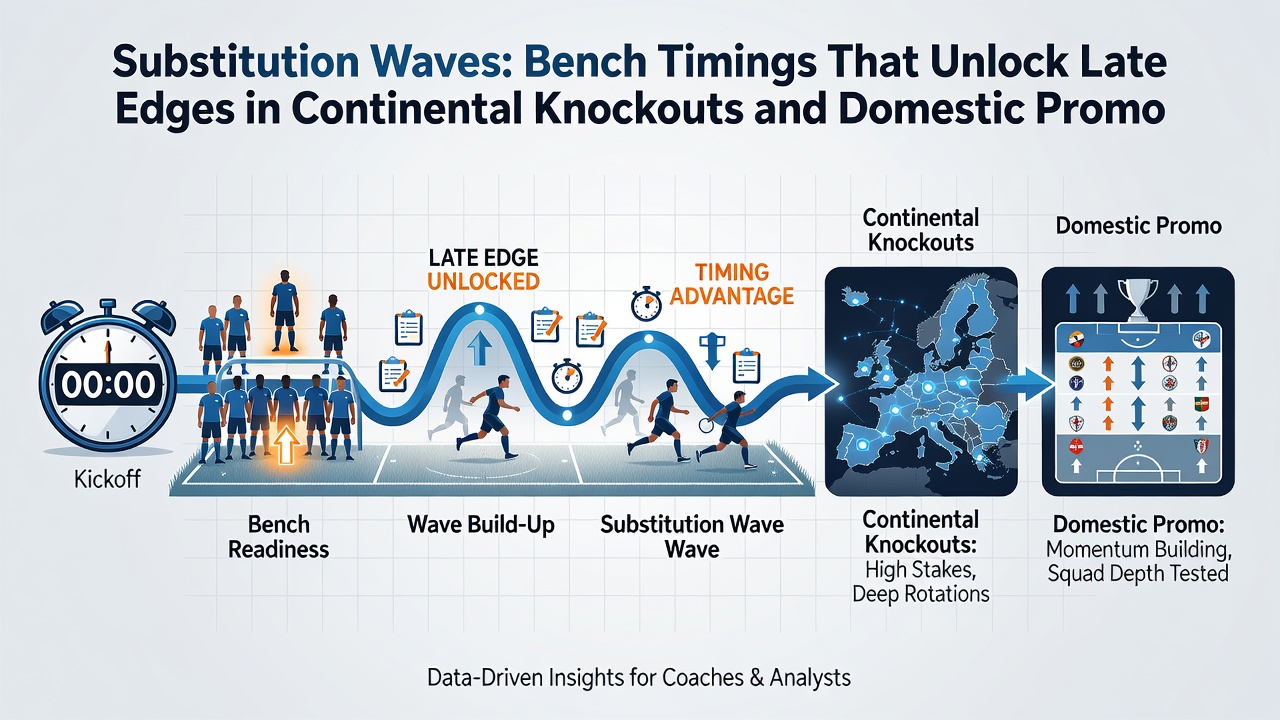
European ties demand precise management of squad resources because single matches carry elimination risks, and coaches have adjusted by deploying double or triple changes in clustered windows rather than spreading them evenly. UEFA competition data from the 2024/25 campaign illustrates that sides reaching the quarter-final stage averaged 2.8 substitutions after the 70th minute across knockout legs, compared with 1.4 earlier in matches. Such clustering allows teams to maintain pressing intensity while opponents tire, and observers record corresponding rises in high-intensity runs completed by incoming players.
One documented sequence from a Champions League round-of-16 encounter involved a side trailing by one goal introducing two wide forwards simultaneously at the 68th minute, which coincided with a 40 percent increase in crosses delivered during the subsequent fifteen minutes. Researchers examining these sequences through performance databases highlight how the combined effect of multiple fresh legs disrupts defensive organisation more effectively than staggered individual entries.
Domestic Promotion Dynamics
Promotion battles extend across nine-month campaigns where fixture congestion amplifies the value of rotation discipline, and data from the 2025/26 EFL Championship season shows that teams securing automatic promotion spots executed an average of 3.2 substitutions per match after the 75th minute during the final ten rounds. These late interventions often targeted full-back positions or central midfielders to sustain width and tempo when chasing results. Bundesliga 2 records reveal comparable trends, with promoted sides demonstrating higher rates of goal involvement from substitutes introduced in the final quarter of games.
Coaches in these environments balance immediate impact against squad preservation, since promotion margins frequently hinge on goal difference or points accumulated in tight clusters of fixtures. Statistical models developed by sports science groups indicate that the probability of scoring from open play rises when two or more changes occur within a five-minute span after the 70th minute, particularly in away fixtures where travel fatigue compounds for opponents.
Supporting Research and Metrics
Studies published by the German Sport University Cologne have examined substitution timing across European leagues and found that clustered changes between minutes 65 and 75 correlate with elevated expected goal values in the closing stages. Separate analysis from the Australian Institute of Sport, drawing on GPS-tracked data, confirms that incoming players maintain higher sprint distances in the first ten minutes after entry when introduced later rather than earlier. These findings align with match-event databases that track how formation shifts accompanying substitutions alter pressing triggers and transition speed.
League administrators and performance analysts continue to monitor these variables because they influence both on-pitch outcomes and the interpretation of broader performance trends. In June 2026, ahead of the expanded FIFA World Cup window, clubs across Europe are expected to refine these protocols further as pre-season schedules incorporate additional recovery analytics.
Conclusion
Substitution timing functions as a measurable lever within the tactical framework of modern football, supported by consistent patterns across continental knockout stages and domestic promotion environments. Data from governing bodies and independent research institutions demonstrate that strategic bench deployment in specific windows produces repeatable effects on match metrics. Teams and analysts will continue to refine these approaches as tracking technology and physiological insights advance through upcoming seasons.